

Insurance Can Cover a Full Roof Replacement
Insurance may pay for a full roof replacement when storm damage, policy coverage, and claim documentation support it.
See the key factors below to better understand whether your roof may qualify.

Active Coverage at Time of Event
Insurance can only pay for damage that occurred while your policy was in force. Confirming active coverage on the storm date is the first requirement for replacement eligibility.
Benefits of working with EcoShield
- Helps verify whether coverage was active when damage occurred
- Reduces risk of filing claims outside the covered period
- Provides guidance before moving forward
- Prevents unnecessary claim history
Risks of handling it on your own
- Filing for damage outside the policy period may lead to denial
- Incorrect assumptions about coverage can create delays
- Older damage may not qualify
- Claim history may still be recorded even if denied
No cost or obligation to you.

Verified Damage
Insurance replaces roofs for functional storm damage — not normal aging or cosmetic wear. The damage must compromise the roof’s performance or integrity.
Benefits of working with EcoShield
- Professional inspection focused on claim-relevant damage
- Functional hail or wind damage identified accurately
- Evaluation of the full roofing system
- Helps determine if replacement may be justified
Risks of handling it on your own
- Cosmetic issues may be mistaken for covered damage
- Important damage may be overlooked
- Filing without verification can weaken a claim
- Normal wear may be cited instead of storm impact
No cost or obligation to you.

Correct Policy Coverage
Coverage type matters. Replacement Cost Value policies typically provide the strongest protection, while other policy types may limit payout or require depreciation.
Benefits of working with EcoShield
- Helps you understand how your policy may respond
- Identifies potential limitations before filing
- Clarifies deductible considerations
- Provides realistic expectations for coverage
Risks of handling it on your own
- Policy details may be misunderstood
- Coverage limits may not be discovered early
- Unexpected out-of-pocket costs can arise
- Filing may proceed without full clarity
No cost or obligation to you.

Damage Presentation
Insurance decisions often depend on how clearly damage is explained during the adjuster inspection. Proper presentation ensures all affected areas are evaluated.
Benefits of working with EcoShield
- On-site support during adjuster inspections
- Clear identification of documented damage
- Helps ensure nothing important is missed
- Reduces risk of incomplete assessments
Risks of handling it on your own
- Damage may be overlooked or undervalued
- Adjusters may not inspect all components
- Incomplete findings can reduce coverage
- Disputes may arise after the inspection
No cost or obligation to you.

Insurance Full Approval
Final approval typically occurs when the insurer confirms that the roof cannot be effectively repaired and meets replacement criteria under the policy.
Benefits of working with EcoShield
- Clear transition from claim approval to restoration planning
- Approved scope reviewed for completeness
- Helps ensure covered repairs are properly addressed
- One experienced team ready to move the project forward
Risks of handling it on your own
- Approved work may be misunderstood or incomplete
- Important repair items can still be overlooked
- Project coordination may become more difficult
- Delays can occur after approval
No cost or obligation to you.
Free inspection • No obligation • Insurance claim guidance
Could Insurance Cover Your Roof Replacement?
Schedule a free inspection to see whether storm damage, policy coverage, and documentation may support a roof replacement claim.
These five factors usually determine whether insurance may help pay for a roof replacement.
1. Active Coverage at Time of Event
Your policy usually needs to be active when the storm damage happened.
2. Verified Storm Damage
Damage should be visible, documented, and connected to a covered storm event.
3. Correct Policy Coverage
Replacement coverage depends on whether your policy pays RCV or ACV.
4. Damage Presentation
How damage appears and is documented can affect the claim review process.
5. Certified Damage Documentation
Photos, inspection notes, and clear documentation help support next steps.
Understanding Why Some Roofs Qualify — and Others Don’t
Many Colorado homeowners are not sure what their policy actually covers. Terms like RCV and ACV can make the process feel confusing, especially when trying to understand whether insurance may pay for a full roof replacement.
Here is the simple version:
Replacement Cost Value (RCV)
RCV policies typically cover the cost to replace your roof, minus your deductible, when qualifying storm damage is approved. This may allow for a complete roof replacement instead of a partial payout.
- Covers replacement cost
- Usually stronger roof replacement coverage
- Deductible still applies
Actual Cash Value (ACV)
ACV policies pay the depreciated value of your roof based on age and wear. You may still receive funds toward replacement, but your out-of-pocket cost can be higher.
- Based on roof age and wear
- Depreciation reduces payout
- Homeowner cost may be higher
Covered Storm Damage Is the Key Factor
Insurance generally applies when roof damage is caused by a covered storm event, such as hail, wind, or falling debris. Normal aging, wear, or lack of maintenance is usually not covered.
Your Policy Determines the Payout
Whether insurance pays replacement cost or actual cash value depends on your policy and the damage found. EcoShield helps document the damage and explain next steps so you can better understand your options.
Worried Insurance May Deny Your Roof Claim?
Many homeowners hesitate to start the claim process because they worry insurance will say no. In many cases, problems happen when storm damage is not fully documented, important details are missed, or the roof is inspected without clear supporting information.
Documentation Can Strengthen the Conversation
Insurance decisions often depend on clear evidence. EcoShield performs detailed inspections designed to identify and document storm damage that may be easy to miss from the ground.
Adjuster Meetings Matter
If needed, EcoShield can meet with your insurance adjuster during the inspection process to help ensure visible storm damage is properly reviewed and discussed.
You Are Not Locked Into a Replacement
If insurance does not approve the claim, you are not automatically committed to a roof replacement. Our goal is to help you understand your options clearly, not pressure you into a project.
Acting Early Helps Protect Your Options
Storm damage that goes unchecked can worsen over time and may lead to leaks, interior issues, or more difficult claim conversations later. A prompt inspection helps protect both your home and your opportunity to file properly.
We regularly work with major insurance carriers
EcoShield helps homeowners navigate claim-related roofing and restoration projects with a process that feels clearer from the start.



And, many others.
When Does Insurance Pay for a Full Roof Replacement?
Understand the key factors that typically determine whether a roof claim results in repair or full replacement.
Replacement may be possible when:
Storm damage affects a large enough portion of the roof system.
The approved scope supports full replacement instead of isolated repair.
The policy covers the type of damage being documented.
Roof materials, matching issues, or code-related factors influence scope.
Replacement is less likely when:
The issue is primarily age-related wear and tear.
Damage appears limited and repairable.
The policy excludes or limits the type of roof damage involved.
The carrier's findings do not support full replacement scope.
Repair vs. Replacement
Quick homeowner guide
Repair Scenario
Smaller, isolated damage areas may sometimes be handled with repair if the roof system, policy, and scope all support that direction.
Replacement Scenario
Broader storm damage, matching concerns, scope details, or related code considerations may point the project toward full replacement instead.
Storm Damage Examples That Can Lead to Replacement Discussions
These are a few of the roof conditions that can sometimes move a project from isolated repair discussion toward broader replacement review.
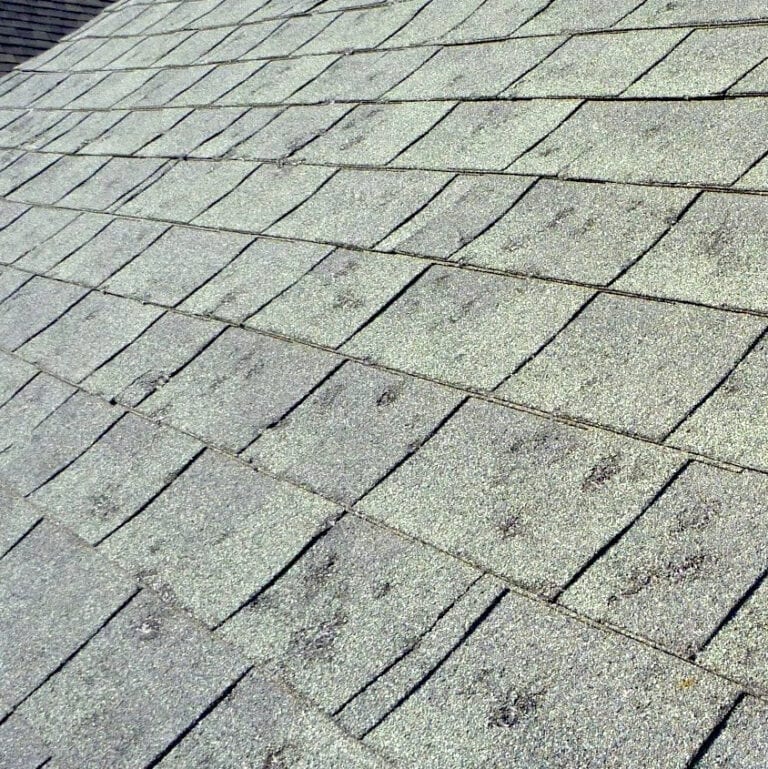
Widespread Shingle Damage
Broader storm impact across the roof system may support a replacement conversation.
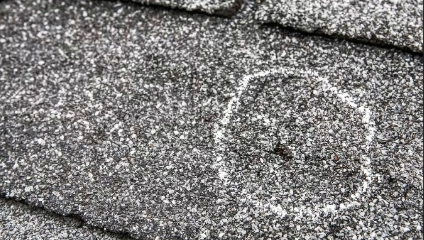
Hail-Realted Surface Damage
Consistent storm impact can influence whether repair or replacement becomes the path forward.
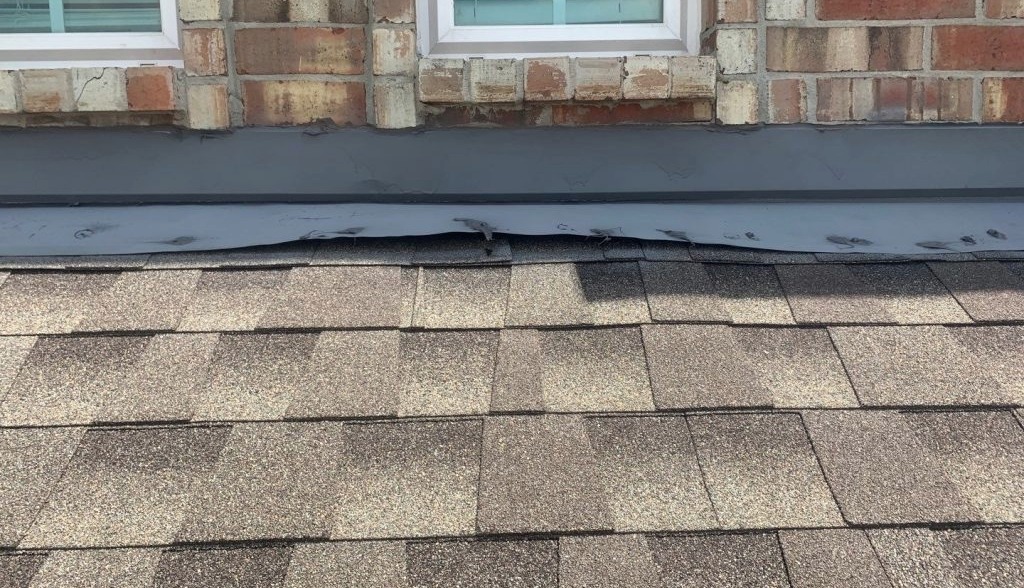
Accessory & System-Wide Issues
Roof components beyond the shingles can also affect claim scope and replacement discussions.
Schedule a Free Roof Inspection
Schedule your free roof inspection to find out whether your storm damage may qualify for insurance coverage. Our team will inspect your roof, document visible damage, explain what we find, and help you understand your next steps—all with no obligation.
Free inspection • No obligation • Typically scheduled within 24–48 hours
Frequently Asked Questions
These are some of the common questions homeowners ask when trying to understand whether insurance may cover a full roof replacement.
Does insurance always pay for a full roof replacement?
No. A full roof replacement depends on the type and extent of storm-related damage, the policy, the approved scope, and how the roof condition is reviewed. Some claims support repair, while other may support full replacement.
What makes a roof more likely to qualify for replacement instead of repair?
Broader storm damage, repairability concerns, matching issues, scope details, and certain code-related considerations can all influence whether the discussion moves toward full replacement instead of isolated repair.
Can an older roof still qualify for replacement through insurance?
An older roof does not automatically mean replacement is off the table. The visible storm-related damage, roof condition, policy terms, and claim findings still matter. That is why inspection and documentation are important.
Will EcoShield help review whether replacement may be part of the claim?
Yes. EcoShield can inspect the roof, document visible conditions, and help homeowners understand whether the roof appears to be a repair situation or whether replacement may need to be discussed further.
What happens if replacement is approved?
If replacement becomes part of the approved scope, EcoShield helps homeowners review the next steps, understand what is included, coordinate the project, and move into scheduling and installation with clearer expectations.
Get clarity on whether your roof claim may lead to full replacement.
EcoShield helps homeowners inspect visible roof damage, review the condition of the roof system, and better understand whether replacement may be part of the insurance claim discussion.