
Roofing Materials for Colorado Homes
Compare roofing materials for Colorado weather, Denver-area homes, and the durability, performance, appearance, and long-term value that matter for your property.
Compare roofing materials for Colorado weather and homes throughout the Denver metro area.
Colorado-based · Roofing material guidance · Professional installation
Colorado-based · Material guidance · Professional installation


Explore Roofing Materials
Compare roofing options for Colorado homes and weather.
Choosing the Right Material
Find the right balance of performance, lifespan, and cost.
Compare Roofing Options
See how common roofing materials compare side by side.
Damage Investigation
Inspections help clarify storm damage, repair scope, and possible next steps.
Types of Roofing Materials for Colorado Homes
Different types of roofing materials offer different combinations of appearance, durability, maintenance, storm resistance, and long-term value. Colorado homeowners can compare the most common options before reviewing each material in greater detail.
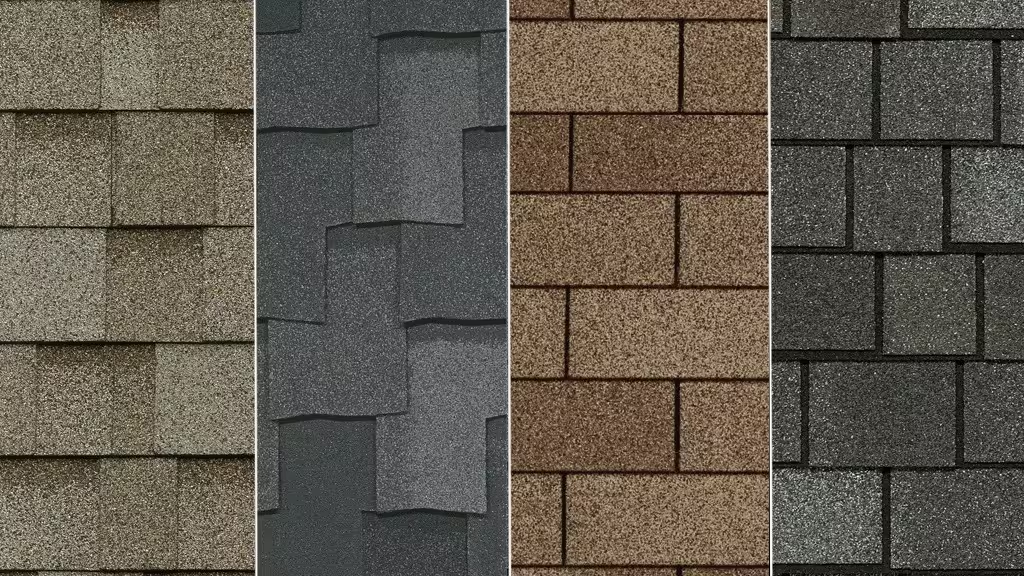
Architectural Asphalt Shingles
A versatile and widely used residential roofing option offering reliable performance, broad style choices, and accessible replacement costs.
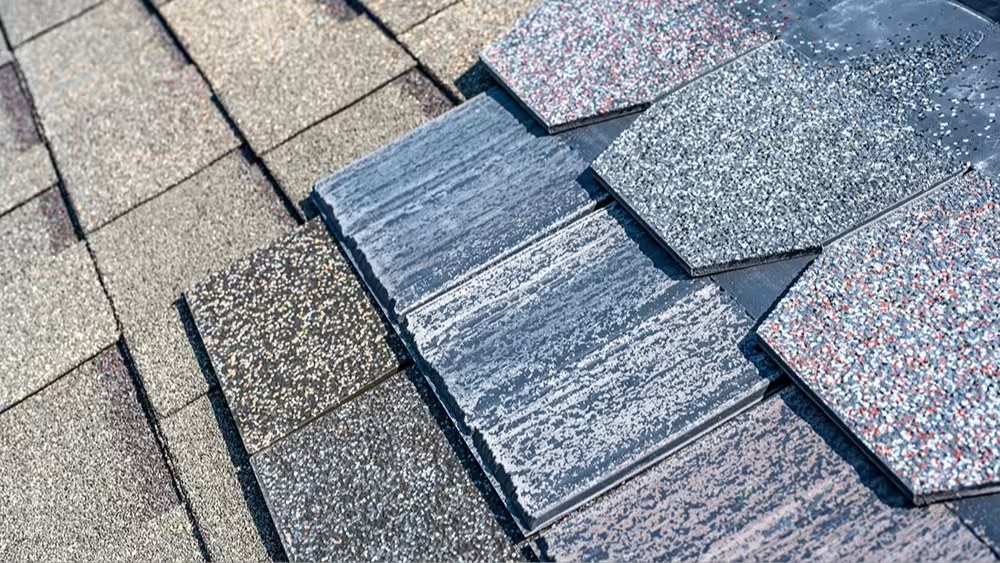
Impact-Resistant Shingles
Designed to better withstand hail and airborne debris, these shingles are a popular consideration for homes throughout Colorado’s storm-prone Front Range.
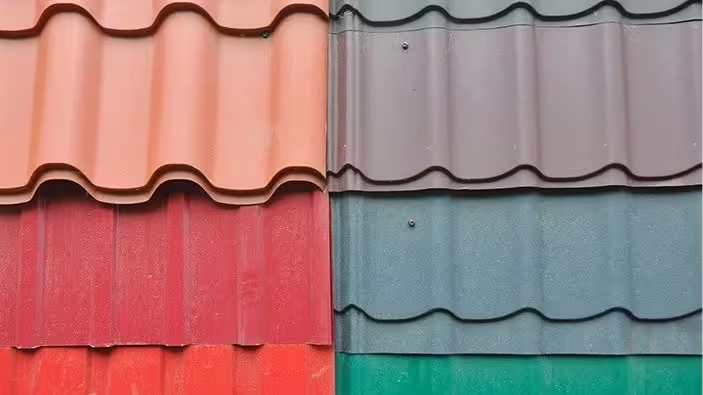
Metal Roofing
A durable, low-maintenance option known for longevity, weather resistance, energy efficiency, and a clean architectural appearance.
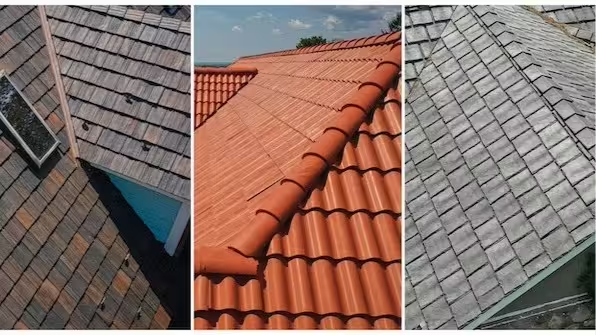
Concrete and Clay Tile
A distinctive and long-lasting roofing option that can provide strong weather performance but requires careful structural and installation planning.
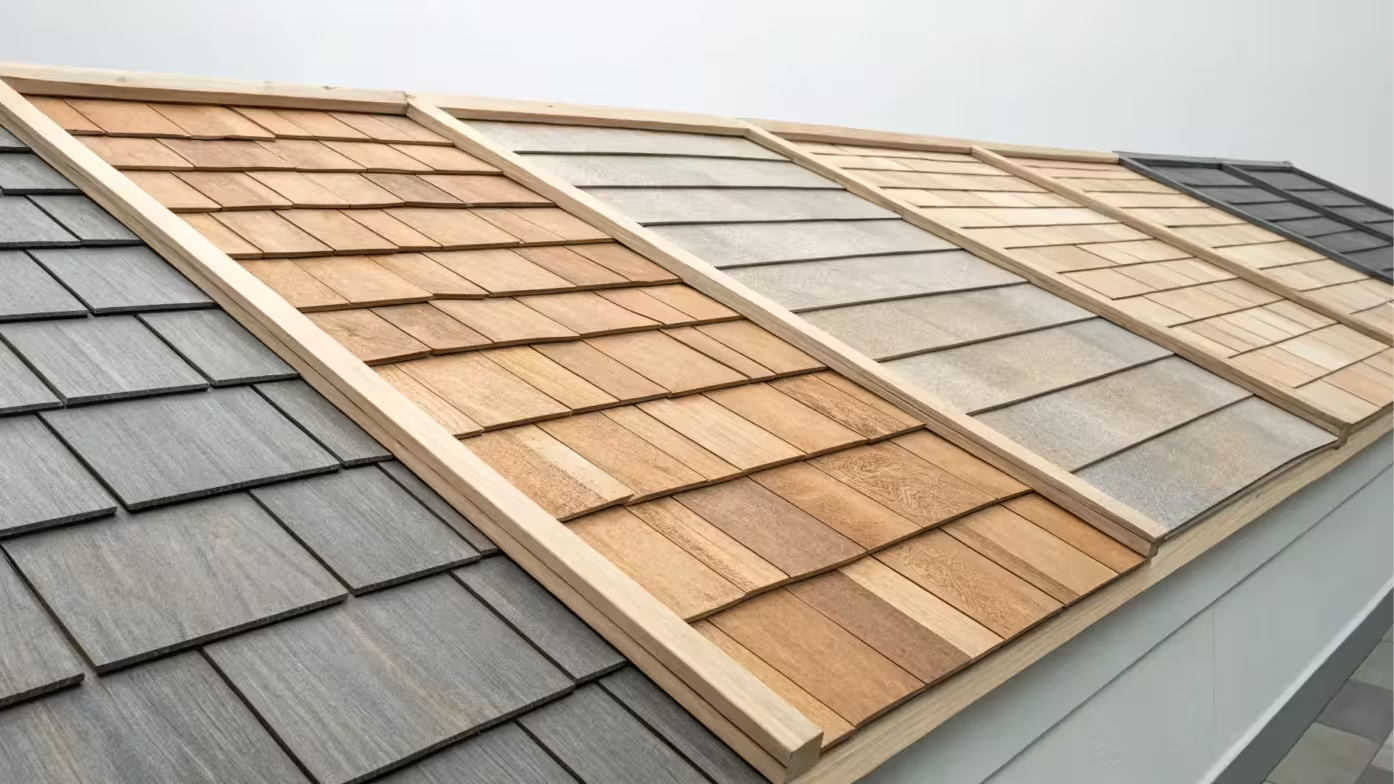
Cedar and Cedar-Style Roofing
Natural cedar and modern cedar-look products offer distinctive texture and character, with important differences in maintenance and fire resistance.
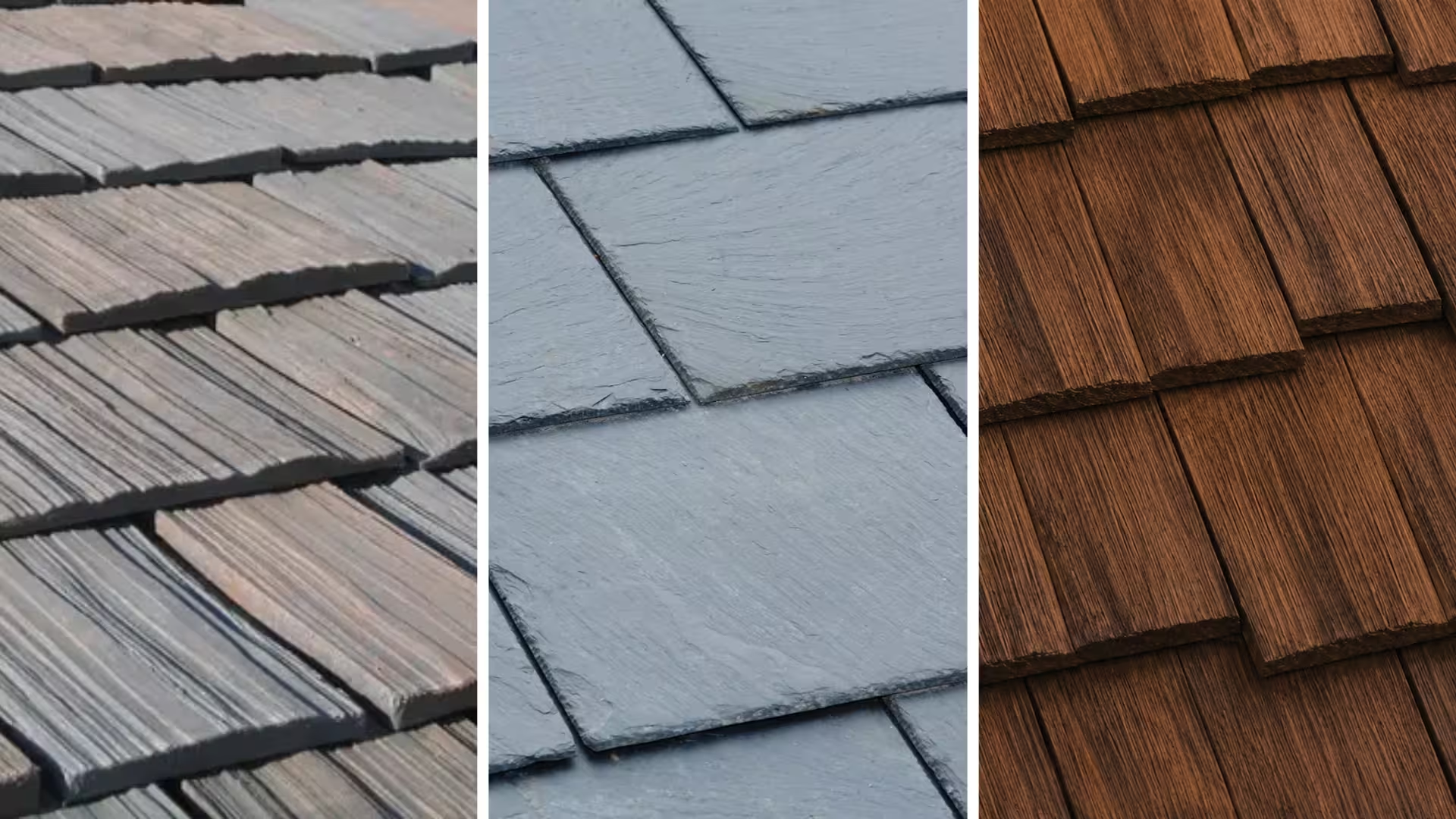
Synthetic and Specialty Roofing
Engineered materials can recreate the appearance of slate, cedar, or tile while offering reduced weight and enhanced resistance to weather and impact.
Choosing the Best Roofing Material for Colorado Weather
The best roofing material for a Colorado home depends on more than appearance alone. Homeowners should compare severe-weather performance, expected lifespan, maintenance, cost, and whether the material is appropriate for the home’s design and structure.
The best roofing material for Colorado weather varies by property, roof design, budget, hail and wind exposure, and the homeowner’s long-term priorities.
Colorado Weather Performance
For Denver-area homes, consider how materials handle hail, high winds, intense UV exposure, snow, and repeated temperature swings.
Lifespan and Maintenance
Some materials may last longer but require specialized upkeep. Compare expected service life, routine maintenance, and repair needs.
Cost and Long-Term Value
Compare initial installation cost with expected lifespan, energy performance, maintenance expenses, and potential future replacement costs.
Home Style and Structure
The roof should complement the home’s structure, while its weight and installation requirements must also suit the existing structure.
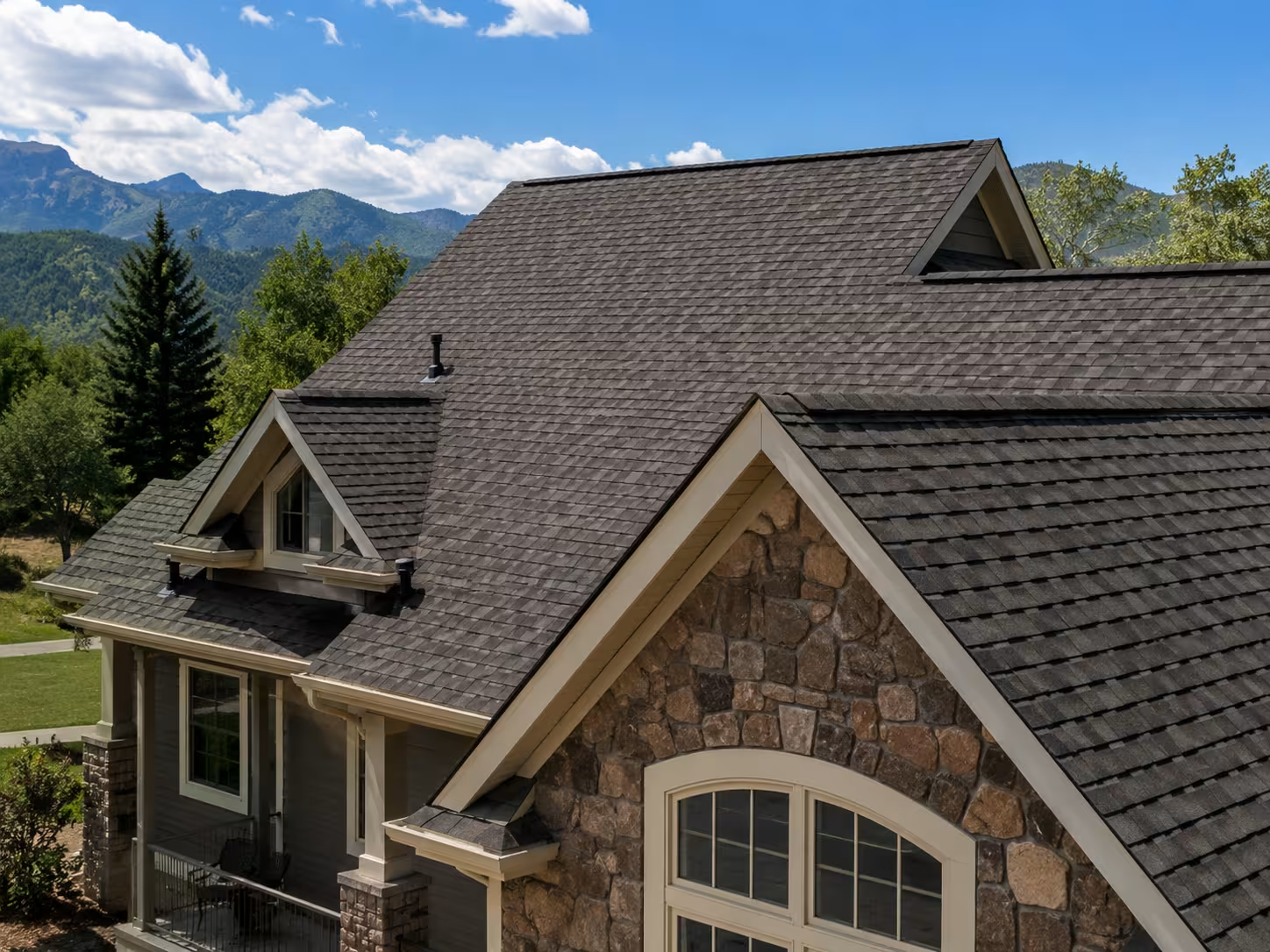
Architectural Asphalt Shingles
Architectural asphalt shingles are one of the most common roofing choices for Colorado homes. Their layered construction creates more depth and dimension than traditional three-tab shingles while providing dependable performance at a comparatively accessible cost.
They are available in a wide range of colors and profiles, making them suitable for many architectural styles. Product quality and performance can vary considerably, so homeowners should compare warranty coverage, wind ratings, impact ratings, and expected lifespan rather than selecting shingles by appearance alone.
Often Best For
Homeowners seeking a practical balance of appearance, performance, broad product availability, and manageable replacement cost.
Important Considerations
Standard asphalt shingles can still be vulnerable to large hail, high winds, aging, and repeated thermal movement. Installation quality, ventilation, underlayment, and product rating all affect long-term performance.
Impact-Resistant Shingles
Impact-resistant shingles are designed to better withstand hail, wind-driven debris, and other severe-weather conditions. Many products are tested using standardized impact classifications, with Class 4 typically representing the highest rating available for asphalt shingles.
These shingles are especially relevant for homeowners along Colorado’s Front Range, where hailstorms can occur repeatedly. While no roofing material is completely hail-proof, a properly installed impact-resistant system may reduce the likelihood of damage from smaller or moderate hail events.
Often Best For
Colorado homeowners who want the familiar appearance and accessibility of asphalt shingles with improved resistance to hail and storm-related impact.
Important Considerations
Impact ratings vary by manufacturer and product line. Homeowners should confirm the specific product classification, warranty terms, and installation requirements, and whether their insurance carrier offers any applicable policy discounts.
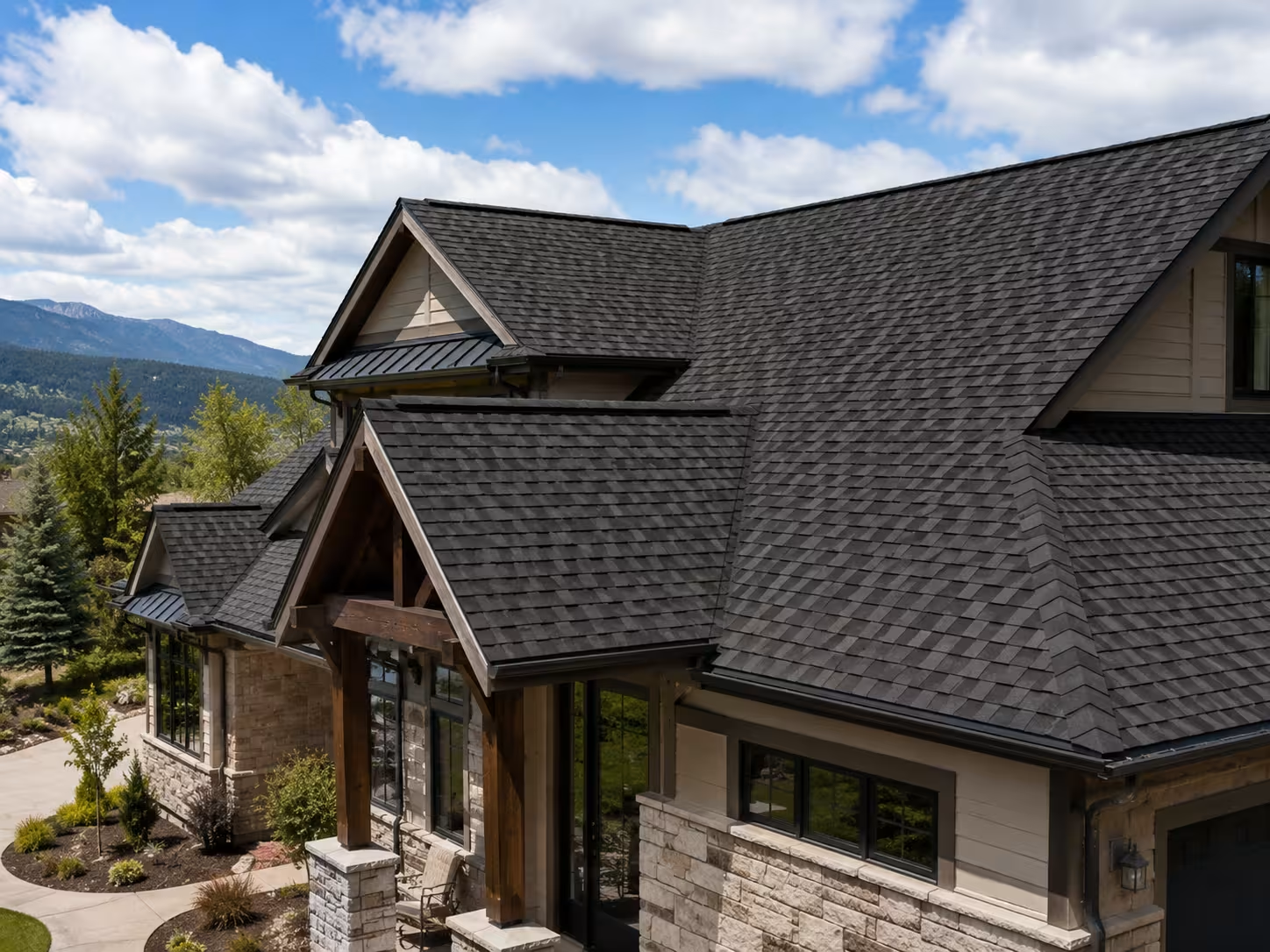
Metal Roofing
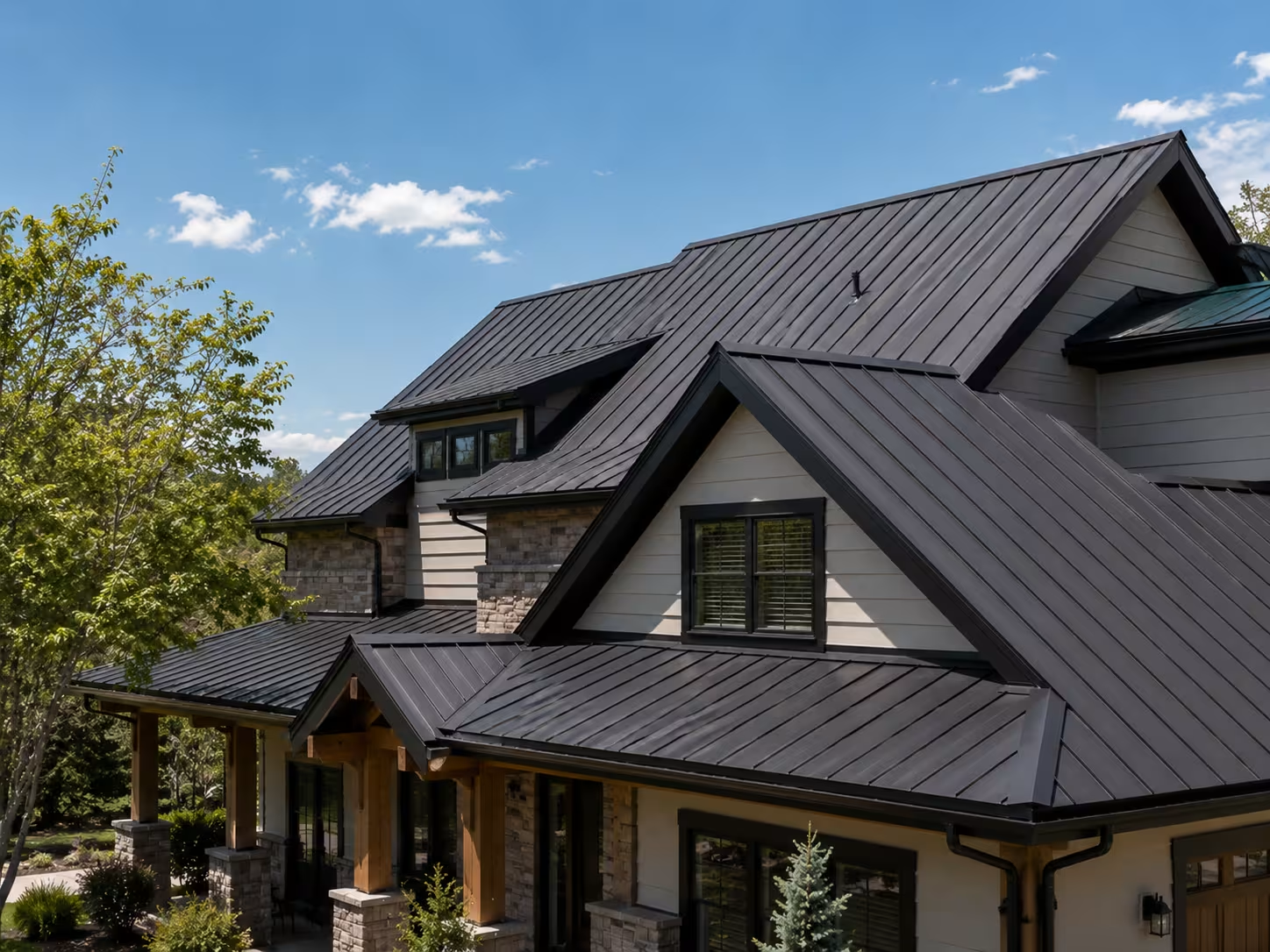
Metal roofing is a durable residential option known for its long service life, low maintenance requirements, and resistance to wind, moisture, fire, and repeated temperature changes. Standing-seam systems are especially recognizable for their clean vertical panels and concealed fastening system.
Metal roofs can complement both traditional and modern homes and are available in a wide range of colors and finishes. They may also reflect more solar heat than some darker roofing materials, although overall energy performance depends on the complete roof assembly, insulation, ventilation, and finish selected.
Often Best For
Homeowners who prioritize longevity, low maintenance, weather resistance, energy-conscious design, and a distinctive architectural appearance.
Important Considerations
Metal roofing usually carries a higher initial installation cost than asphalt shingles. Proper flashing, panel fastening, underlayment, ventilation, installer experience, and compatibility with the home’s design are especially important.
Concrete and Clay Tile Roofing
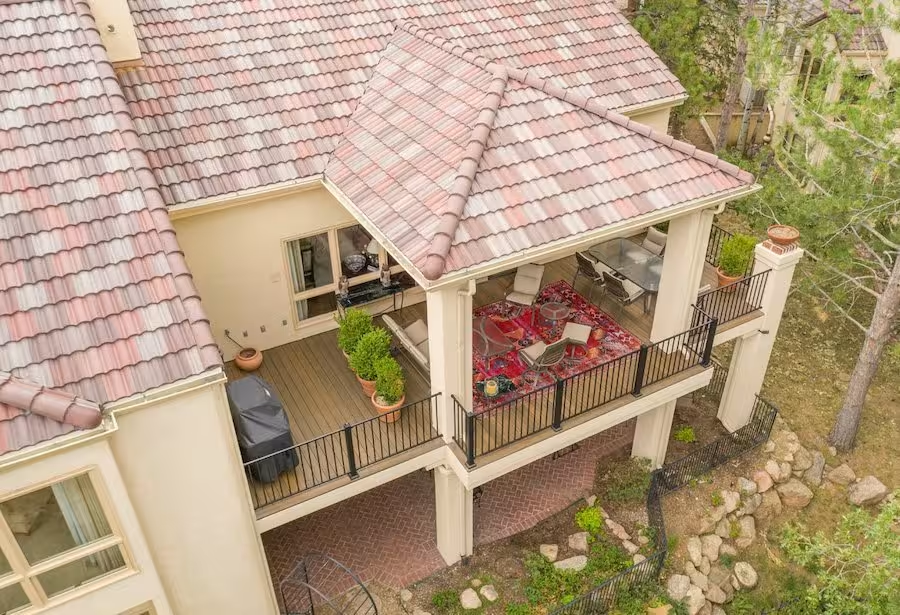
Concrete and clay tile roofing offers a distinctive appearance and can provide a long service life when properly designed and installed. Tile is commonly associated with Spanish, Mediterranean, Southwestern, and custom architectural styles, although modern profiles can work with a broader range of homes.
Both concrete and clay tiles can perform well against sun, moisture, and fire. However, tile systems are heavier than many other roofing materials and require careful evaluation of the roof structure, underlayment, fastening methods, flashing, and local weather conditions.
Often Best For
Homeowners seeking a distinctive architectural appearance, long-term durability, strong fire resistance, and a roofing material suited to tile-compatible home designs.
Important Considerations
Tile roofing is substantially heavier than asphalt or metal systems. The home may require structural evaluation or reinforcement, and individual tiles can crack from impact, foot traffic, freeze-thaw cycles, or improper installation.
Cedar and Cedar-Style Roofing
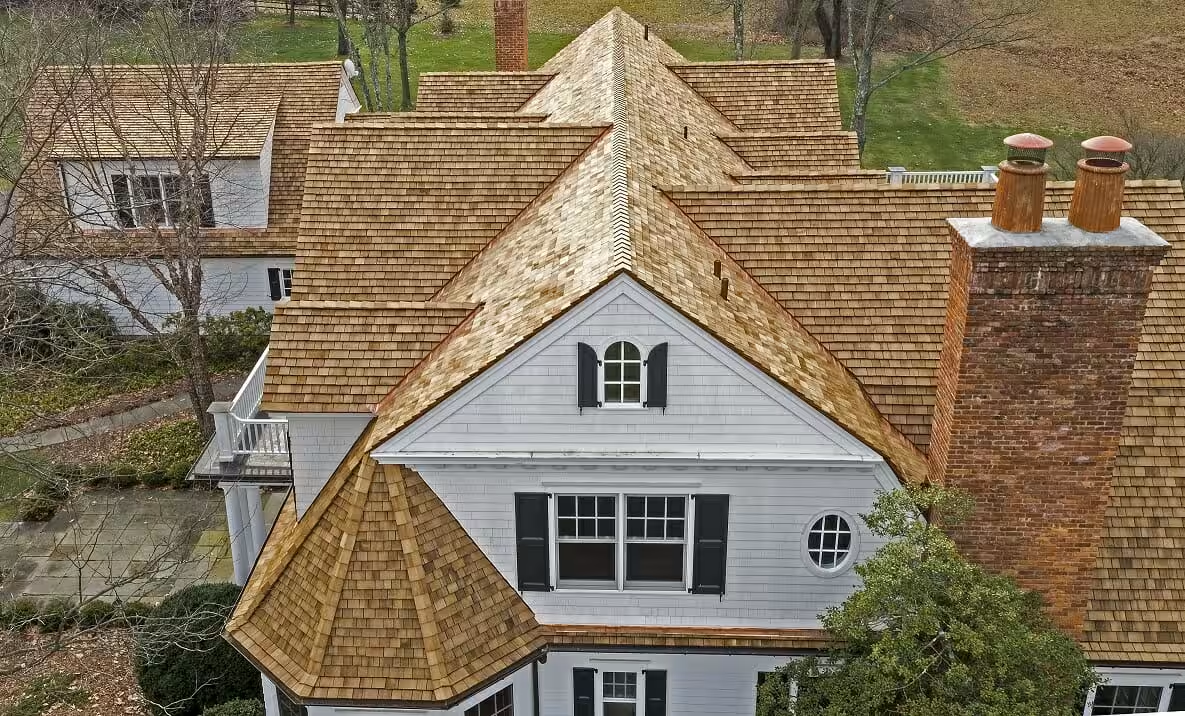
Natural cedar roofing is valued for its texture, warmth, and distinctive appearance. Cedar shakes and shingles can complement mountain, rustic, craftsman, and custom homes, while weathering over time into a softer grey or silver tone.
Homeowners can also consider synthetic cedar-style products designed to recreate the appearance of natural wood. These engineered materials may offer different levels of fire resistance, impact performance, moisture resistance, maintenance, and weight depending on the manufacturer and product selected.
Often Best For
Homeowners who value natural texture, architectural character, and a distinctive premium appearance, or who want a cedar-look alternative with engineered performance features.
Important Considerations
Natural cedar may require ongoing maintenance and careful attention to moisture, ventilation, fire classification, insects, and local restrictions. Synthetic products vary widely, so compare their composition, warranty, testing, installation requirements, and appearance.
Synthetic and Specialty Roofing
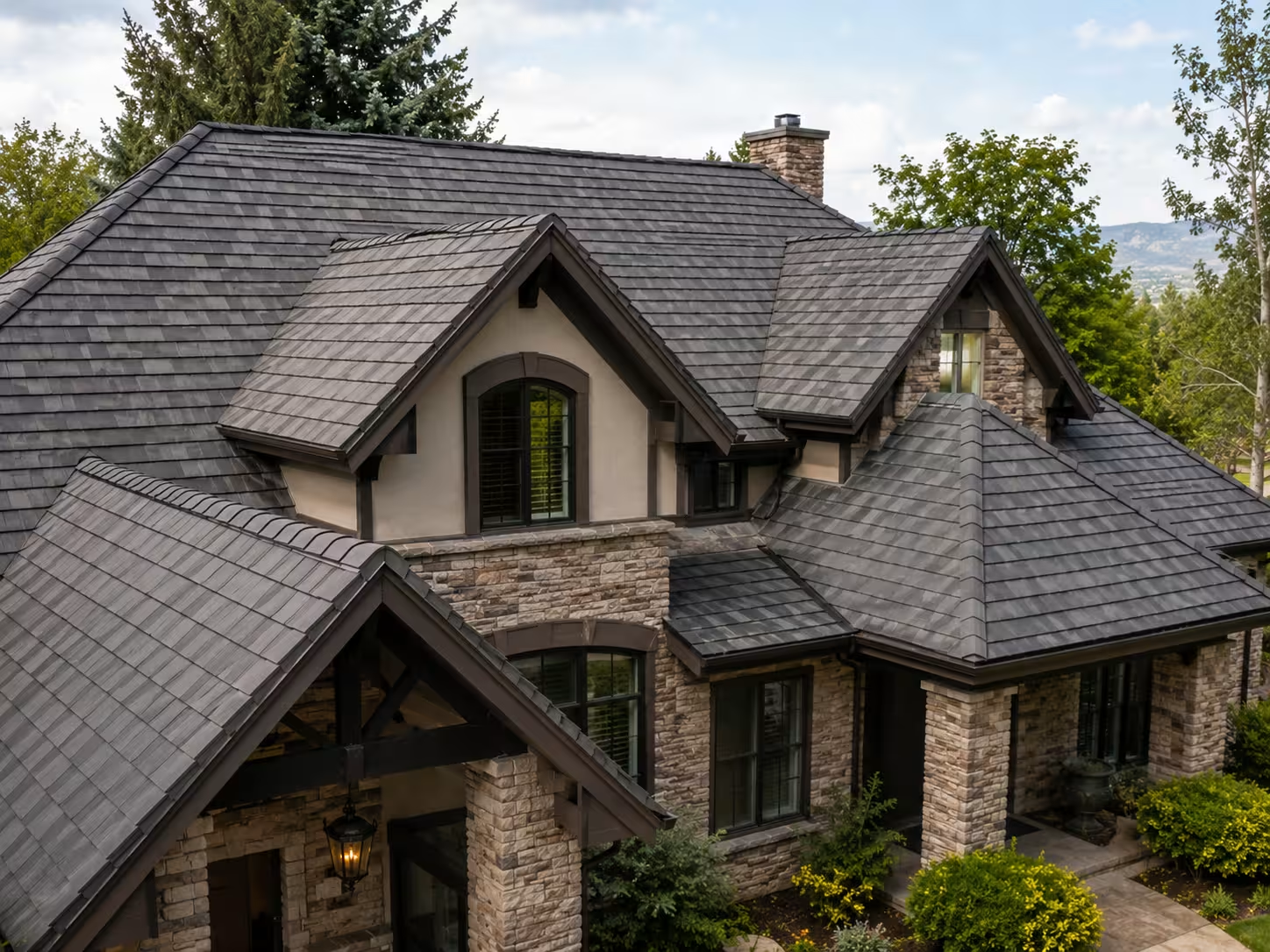
Synthetic and specialty roofing products are engineered to recreate the appearance of materials such as slate, cedar, or tile while offering different combinations of weight, durability, maintenance, fire and impact resistance.
These products can be appealing for homeowners who want a premium architectural look without some of the structural or maintenance demands associated with natural materials. Performance varies widely by manufacturer and product type, so specifications, testing, warranties, and installation requirements should be reviewed carefully.
Often Best For
Homeowners seeking the appearance of slate, cedar, tile, or another premium material with reduced weight or engineered performance characteristics.
Important Considerations
Synthetic roofing products differ significantly in composition, testing, appearance, warranty coverage, fire classification, impact resistance, and installation requirements. Product-specific evaluation is essential before making a selection.
Compare Common Roofing Materials
Every roofing material involves tradeoffs. This general comparison can help homeowners identify which options may deserve a closer look before discussing product specifications, installation requirements, and budget with a roofing professional.
Swipe horizontally to compare all roofing materials.
| Roofing Material | Typical Strengths | Maintenance | Relative Cost | Colorado Considerations |
|---|---|---|---|---|
| Architectural Asphalt Shingles | Broad availability, many styles, practical replacement cost | Moderate | Lower to Moderate | Product impact and wind ratings should be reviewed carefully. |
| Impact-Resistant Shingles | Familiar appearance with improved impact performance | Moderate | Moderate | Popular for hail-prone areas; product classification varies. |
| Metal Roofing | Long lifespan, low maintenance, wind and fire resistance | Low | Higher | Installation details, snow movement, and panel quality matter. |
| Concrete and Clay Tile | Distinctive appearance, longevity, fire resistance | Low to Moderate | Higher | Structural capacity, freeze-thaw exposure, and breakage require evaluation. |
| Cedar and Cedar-Style Roofing | Natural texture, premium appearance, architectural character | Moderate to High | Higher | Fire classification, moisture, maintenance, and local restrictions should be considered. |
| Synthetic and Specialty Roofing | Premium appearance with engineered performance options | Varies | Moderate to Higher | Testing, warranties, fire ratings, and impact performance differ by manufacturer. |
These comparisons are general guidelines rather than product guarantees. Actual performance, lifespan, pricing, warranty coverage, and insurance considerations depend on the specific product, roof design, installation details, and property conditions.
How Roofing Materials Relate to Insurance Considerations
The roofing material installed on a home may affect how an insurer evaluates durability, replacement cost, product documentation, and storm-related damage. Requirements and potential benefits vary by policy, carrier, location, product, and installation, so homeowners should verify details directly with their insurance provider.
Product Ratings and Documentation
Impact classifications, wind ratings, fire classifications, manufacturer specifications, and installation records may help document the roofing system installed on the home.
Policy and Carrier Requirements
Coverage terms, deductibles, material requirements, discounts, exclusions, and claim procedures differ by insurer and policy. A roofing product should not be selected based on an assumed insurance benefit.
Documentation After Storm Damage
After hail or wind damage, photographs, inspection findings, product information, repair history, and contractor documentation may help homeowners understand the condition of the roof and discuss next steps.
EcoShield does not determine insurance coverage or guarantee claim approval. Coverage decisions are made by the homeowner’s insurance carrier under the terms of the applicable policy.
Frequently Asked Questions About Roofing Materials
Choosing a roofing material often raises questions about durability, hail resistance, cost, maintenance, and insurance. These answers provide general guidance, while a property inspection can help determine what may be appropriate for a specific home.
What roofing material is most common on Colorado homes?
Architectural asphalt shingles are among the most widely used residential roofing materials in Colorado because they offer broad availability, many style choices, and a comparatively accessible replacement cost. The best option still depends on the home, roof design, product rating, and homeowner’s priorities.
What roofing materials perform best against hail?
Impact-resistant shingles and certain metal, tile, and engineered roofing products may offer improved impact performance. No roofing material is completely hail-proof, and performance depends on the specific product rating, installation quality, storm severity, roof age, and existing condition.
Are Class 4 shingles worth considering in Colorado?
Class 4 impact-resistant shingles are commonly considered for homes in hail-prone areas because they are designed and tested for improved impact resistance. Homeowners should compare the specific product, warranty, installation requirements, appearance, cost, and any carrier-specific insurance considerations before deciding.
Does a metal roof cost more than asphalt shingles?
Metal roofing generally has a higher initial installation cost than architectural asphalt shingles. Its expected service life and lower maintenance needs may provide long-term value, but actual pricing depends on the roof design, panel system, material, flashing, installation details, and property conditions.
Can every home support concrete or clay tile roofing?
Not necessarily. Tile roofing is heavier than many asphalt, metal, and synthetic systems. The home’s structure may need to be evaluated to determine whether it can support the roofing system or whether reinforcement or another material should be considered.
Do roofing materials affect homeowners insurance?
A roofing material’s age, condition, impact rating, fire classification, replacement cost, and documentation may affect how an insurer evaluates the property. Coverage terms, discounts, exclusions, deductibles, and claim decisions vary by carrier and policy and should be confirmed directly with the insurance provider.
How do I know which roofing material is right for my home?
The decision should consider the roof’s current condition, pitch, structure, ventilation, exposure, architectural style, maintenance expectations, budget, and long-term goals. A professional inspection can help identify which materials may be appropriate for the property.
Find the Right Roofing Option for Your Colorado Home
Every roofing material offers a different combination of appearance, durability, maintenance, storm performance, and long-term value. Schedule a free inspection to discuss your roof’s condition and the options that may be appropriate for your property.