
Roof Wind Damage in Denver
Schedule a professional inspection to identify lifted or missing shingles, damaged flashing, siding concerns, gutter issues, and other exterior wind damage before small problems become larger repairs.
Schedule a professional inspection to identify wind damage before small problems become larger repairs.
Professional inspections. Wind damage documentation. No-obligation recommendations.
Colorado-based · Wind damage inspections · No-obligation guidance


Roof Wind Damage Signs
Look for lifted, creased, loose, or missing shingles after strong winds.
Free Wind Damage Inspection
Roofing, siding, gutters, windows, and full exterior storm reviews.
Insurance Claim Guidance
Understand inspection findings and practical next steps before filing a claim.
Colorado Wind Response
Strong winds recently? Start with an inspection and clear documentation.
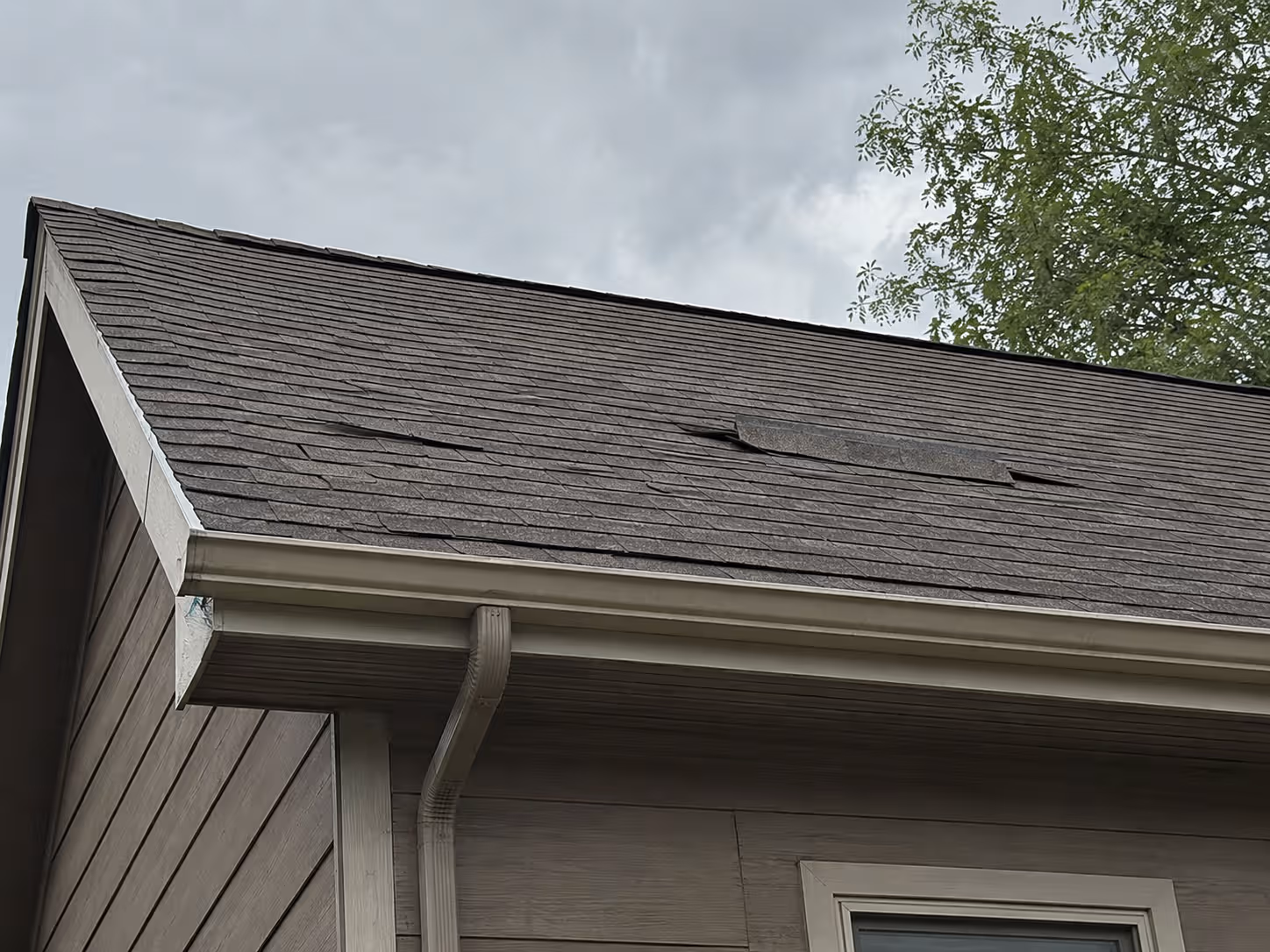
Wind Damage Is Not Always Obvious From the Ground
After strong Colorado winds, roofing and exterior damage may be difficult to identify from the yard. Shingles can lift, crease, loosen, or lose their seal without immediately falling from the roof.
Wind can also affect ridge caps, flashing, siding, soffit, fascia, gutters, vents, and other exteior components. A professional inspection helps document visible conditions and identify concerns before leaks, moisture intrusion, or larger repairs develop.
- Lifted, creased, loose, or missing shingles
- Damaged ridge caps, flashing, vents, or roof edges
- Loose siding, soffit, fascia, or trim
- Detached or shifted gutters and downspouts
- Photo documentation for repair or insurance decisions
What Is Included in a Wind Damage Inspection?
A professional wind damage inspection should look beyond missing shingles. EcoShield reviews the roof and surrounding exterior systems for visible damage, loosened materials, vulnerable areas, and conditions that may require repair or further evaluation.
Roof System
Shingles, ridge caps, flashing, vents, roof edges, seal strips, and visible areas where wind may have lifted or loosened materials.
Exterior Components
Siding, gutters, downspouts, soffit, fascia, trim, windows, screens, and other exterior materials affected by wind.
Interior Warning Signs
Visible ceiling stains, moisture concerns, attic exposure, or other signs that exterior damage may already be allowing water intrusion.
Photo Documentation
Photographs and inspection findings that help explain visible conditions and support repair or insurance-related conversations.
Wind damage can affect several areas of the property at the same time. A complete exterior review helps create a clearer picture of what happened and what should happen next.
Understanding the Insurance Claim Process After Wind Damage
If wind damage is found, the next step depends on the condition of the property, the repairs needed, and the terms of the homeowner’s insurance policy. EcoShield can explain the inspection findings, provide documentation, and help homeowners understand the practical steps that may follow.
Homeowners remain responsible for contacting their insurance carrier and deciding whether to file a claim. Coverage, deductibles, claim approval, and payment decisions are determined by the insurance company under the applicable policy.
EcoShield helps homeowners document storm damage, explain inspection findings, and work through the insurance claim process. Final coverage and claim decisions are made by the homeowner’s insurance carrier.
1. Inspect and Document
A professional inspection identifies visible damage and records the condition of th eroof and exterior.
2. Review the Findings
EcoShield explains the visible concerns, affected materials, and repair or replacement considerations.
3. Contact Your Insurance Carrier
The homeowner decides whether to report the damage and begins any insurance process directly with the carrier.
4. Coordinate the Next Steps
If requested, EcoShield can provide relevant documentation and coordinate inspection or repair details within its role.
What Should You Do After Strong Winds?
Wind damage is not always visible immediately, but taking a few careful steps after a storm can help protect the property and create a clearer record of what occurred. Avoid climbing onto the roof and begin with a professional exterior inspection when damage is suspected.
1. Stay Safe
Keep away from fallen branches, loose materials, damaged power lines, and unstable exterior areas.
2. Check From the Ground
Look for missing shingles, loose siding, fallen materials, displaced gutters, or visible roof-edge damage.
3. Protect the Property
Move vehicles and outdoor belongings away from affected areas and address urgent openings or water entry safely.
4. Schedule an Inspection
A professional review can identify subtle damage, document visible conditions, and explain practical next steps.
Frequesntly Asked Questions About Wind Damage
Strong winds can affect roofing and exterior materials in ways that are not always visible from the ground. These answers provide general guidance about inspections, repairs, insurance considerations, and the next steps after a wind event.
What does wind damage look like on a roof?
Wind damage may appear as lifted, creased, loose, curled, or missing shingles. Ridge caps, flashing, vents, roof edges, and seal strips can also loosen or shift. Some damage may not be obvious without a close professional inspection.
Can a roof be damaged even if no shingles are missing?
Yes. Shingles may lift and reseal, develop creases, lose adhesion, or become loosened without falling from the roof. These conditions can make the roofing system more vulnerable to moisture and future wind events.
What parts of the property can wind damage affect?
Wind can affect roofing, siding, gutters, downspouts, soffit, fascia, trim, windows, screens, vents, flashing, and other exterior components. Loose branches and airborne debris can also cause secondary damage.
How soon should I schedule an inspection after strong winds?
Schedule an inspection as soon as it is safe to do so, especially if you notice missing materials, fallen debris, displaced gutters, roof-edge damage, or signs of water entry. Early documentation can help clarify the property’s condition.
Does wind damage automatically mean I need a full roof replacement?
No. The appropriate repair depends on the location and extent of the damage, the age and condition of the roof, material availability, and whether repairs can restore the system properly. An inspection can help determine whether repair, replacement, or further evaluation is appropriate.
Can EcoShield help with a wind damage insurance claim?
EcoShield can document visible damage, explain inspection findings, provide relevant repair information, and coordinate with insurance adjusters when requested. Coverage and claim decisions are made by the homeowner’s insurance carrier under the applicable policy.
Think Wind Damaged Your Home?
Wind damage can be easy to miss from the ground. Schedule a free inspection to document visible concerns, understand the condition of your roof and exterior, and receive clear recommendations for the next step.