
Denver Commercial PVC & TPO Roofing Services
Energy-efficient single-ply roofing systems for Colorado commercial properties, built for durability, reflectivity, and long-term flat roof performance.
Licensed & insured · Colorado-based · Commercial single-ply roof support


PVC Roof Repair
Leaks, seams, and punctures repaired before damage spreads
TPO Replacement
Energy-efficient membrane replacement for aging flat roofs.
PVC & TPO Systems
Reflective single-ply roofing designed for efficiency and durability.
Damage Investigation
Roof assessments for hail, leaks, drainage, and storm concerns.
Commercial PVC & TPO Roofing for Flat and Low-Slope Buildings
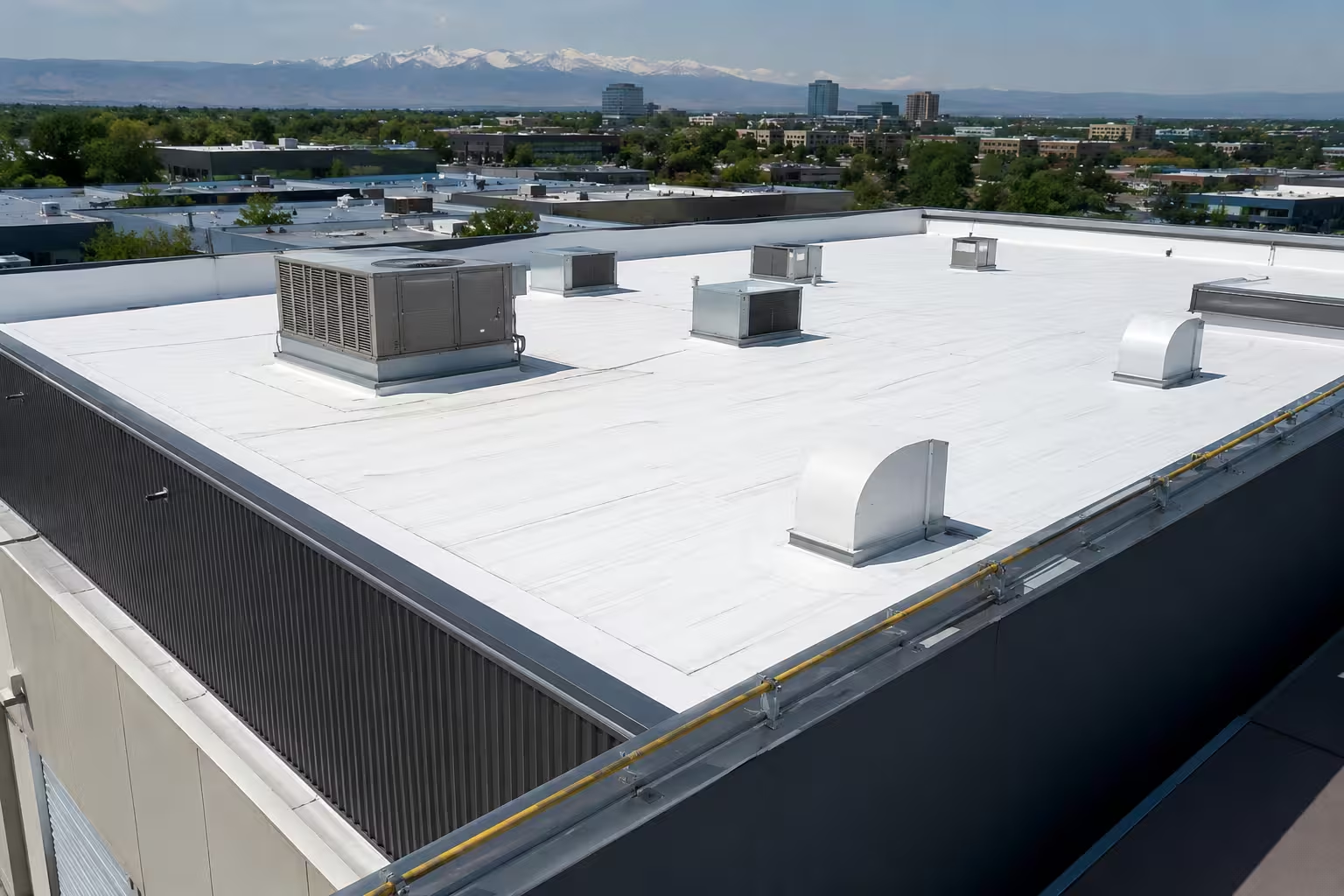
PVC and TPO are reflective single-ply roofing systems commonly used on commercial flat and low-slope roofs. Both options are designed to create a durable, energy-efficient membrane that helps protect buildings from UV exposure, weather, and everyday rooftop wear.
For Colorado commercial properties, PVC and TPO can be strong choices when proper installation, seam detailing, drainage planning, and long-term maintenance are built into the roofing plan.
Why Property Owners Choose PVC & TPO Roofing
PVC and TPO systems are popular for commercial flat roofs because they provide reflective performance, strong seams, and practical long-term value for buildings exposed to Colorado sun, storms, and temperature swings.
Reflective Roof Surface
White PVC and TPO membranes help reflect sunlight and reduce heat absorption on commercial roofs.
Heat-Welded Seams
PVC and TPO seams are heat-welded to create strong, watertight membrane connections.
Durable Single-Ply System
These systems are lightweight, flexible, and designed for flat or low-slope commercial buildings.
Smart Long-Term Value
PVC and TPO can support lower cooling demand, easier maintenance, and predictable lifecycle planning.
PVC vs. TPO: Which Roofing System Fits Your Building?
PVC and TPO are both reflective single-ply roofing systems, but they are not identical. EcoShield helps commercial property owners compare system performance, building needs, and long-term maintenance before recommending the right fit.
PVC Roofing
PVC is often selected for commercial roofs that may face grease, chemical exposure, or high-performance seam requirements.
Common reasons to consider PVC:
- Strong heat-welded seams
- Good chemical and grease resistance
- Reflective white surface
- Durable single-ply performance
- Well-suited for certain restaurants, industrial buildings, and specialty commercial properties
TPO Roofing
TPO is commonly chosen for commercial buildings that need a reflective, cost-effective, energy-conscious roofing membrane.
Common reasons to consider TPO:
- Reflective white membrane
- Strong value for large flat roofs
- Heat-welded seams
- Flexible single-ply system
- Popular for offices, retail centers, warehouses, and many commercial properties
Our Commercial PVC & TPO Roofing Process
From inspection to final walkthrough, EcoShield keeps the process clear, documented, and focused on long-term roof performance.
1
Roof Inspection
We review membrane condition, seams, flashing, rooftop penetrations, drainage, and active or past leak concerns.
2
System Recommendation
We help determine whether PVC, TPO, repair, or replacement is the right fit for the building.
3
Membrane Installation
Our team installs the selected system with attention to seams, edges, flashings, and rooftop equipment areas.
4
Final Review
We complete cleanup, photo documentation, quality checks, and a final walkthrough before closing the project.
Keep Your PVC or TPO Roof Performing Longer
PVC and TPO roofs are designed for durability, but inspections and small repairs still matter. Seam issues, punctures, ponding water, flashing concerns, and rooftop equipment traffic can all create problems if they are ignored.
EcoShield helps commercial property owners catch issues early, document roof conditions, and plan smart repairs before minor problems become larger disruptions.
Common PVC & TPO Maintenance Needs
- Heat-welded seam inspection
- Puncture and membrane patching
- Drain and scupper review
- Rooftop equipment inspection
- Ponding water evaluation
- Post-storm roof documentation
Built for Colorado Commercial Roof Conditions
PVC and TPO roofs can be a strong fit for Colorado commercial buildings because their reflective surfaces help reduce heat absorption while their heat-welded seams support watertight performance.
But local conditions still matter. High-elevation sun, hail, wind, ponding water, rooftop equipment traffic, and freeze-thaw swings can all affect long-term roof performance.
High-Elevation UV
Reflective PVC and TPO membranes help reduce heat absorption during intense Colorado sun exposure.
Heat-Welded Seams
Properly installed seams help reduce leak risk on flat and low-slope commercial roofs.
Hail & Wind
Storm damage can affect membrane surfaces, seams, rooftop units, and flashing details.
Drainage & Ponding
Standing water can shorten roof life and create avoidable maintenance issues.
When to Repair vs. Replace a PVC or TPO Roof
Not every membrane issue requires full replacement. EcoShield helps commercial property owners understand whether targeted repair, restoration planning, or a full PVC/TPO roof replacement is the smarter long-term option.
Repair May Be the Right Fit When:
- Damage is limited to a small roof area
- Seams or flashing need reinforcement
- Punctures can be patched cleanly
- Drainage issues can be corrected
- The membrane still has useful life remaining
Replacement May Be Smarter When:
- The membrane is brittle, shrinking, or worn
- Leaks are recurring across the roof
- Repairs are becoming frequent
- Insulation or decking may be compromised
- The roof is near the end of its lifespan
Why Choose EcoShield for PVC & TPO Roofing?
Commercial single-ply roofs need more than a quick product recommendation. EcoShield helps property owners compare material options, understand roof condition, and choose a practical path forward.
Whether your building needs targeted repairs, storm documentation, or a full PVC/TPO replacement, our team keeps the process clear from inspection to final review.
What You Can Expect:
- Commercial flat roof experience
- PVC and TPO system guidance
- Clear repair or replacement recommendations
- Photo documentation when needed
- Local knowledge of Colorado roof conditions
- Clear communication from inspection to final review
Commercial PVC & TPO Roofing FAQs
What is the difference between PVC and TPO roofing?
PVC and TPO are both reflective single-ply roofing systems for commercial flat roofs. PVC is often selected for stronger chemical and grease resistance, while TPO is commonly chosen for reflective performance, value, and broad commercial use.
How long does a PVC or TPO roof last?
A properly installed and maintained PVC or TPO roof can last 20 to 30 years. Lifespan depends on installation quality, membrane type, drainage, rooftop traffic, weather exposure, and routine maintenance.
Is TPO roofing good for Colorado commercial buildings?
Yes. TPO is a strong option for many Colorado commercial buildings because its reflective surface can help reduce heat absorption while its heat-welded seams support watertight performance.
Is PVC roofing better than TPO?
Not always. PVC may be better for certain buildings exposed to grease, chemicals, or specialty use conditions. TPO may be a better fit for properties prioritizing reflectivity, value, and broad commercial performance.
Can PVC and TPO roofs be repaired?
Yes. Many PVC and TPO roof issues, including punctures, seam problems, flashing concerns, and localized damage, can often be repaired without replacing the entire roof.
Does EcoShield inspect PVC and TPO roofs after hail or storm damage?
Yes. EcoShield can inspect commercial PVC or TPO roofs after hail, wind, ponding water, or suspected storm damage and provide documentation to help property owners understand the roof condition and next steps.
Need Help With a PVC or TPO Roof?
Whether you need a repair, replacement recommendation, storm damage inspection, or long-term maintenance plan, EcoShield can help you understand the right next step for your commercial flat roof.