
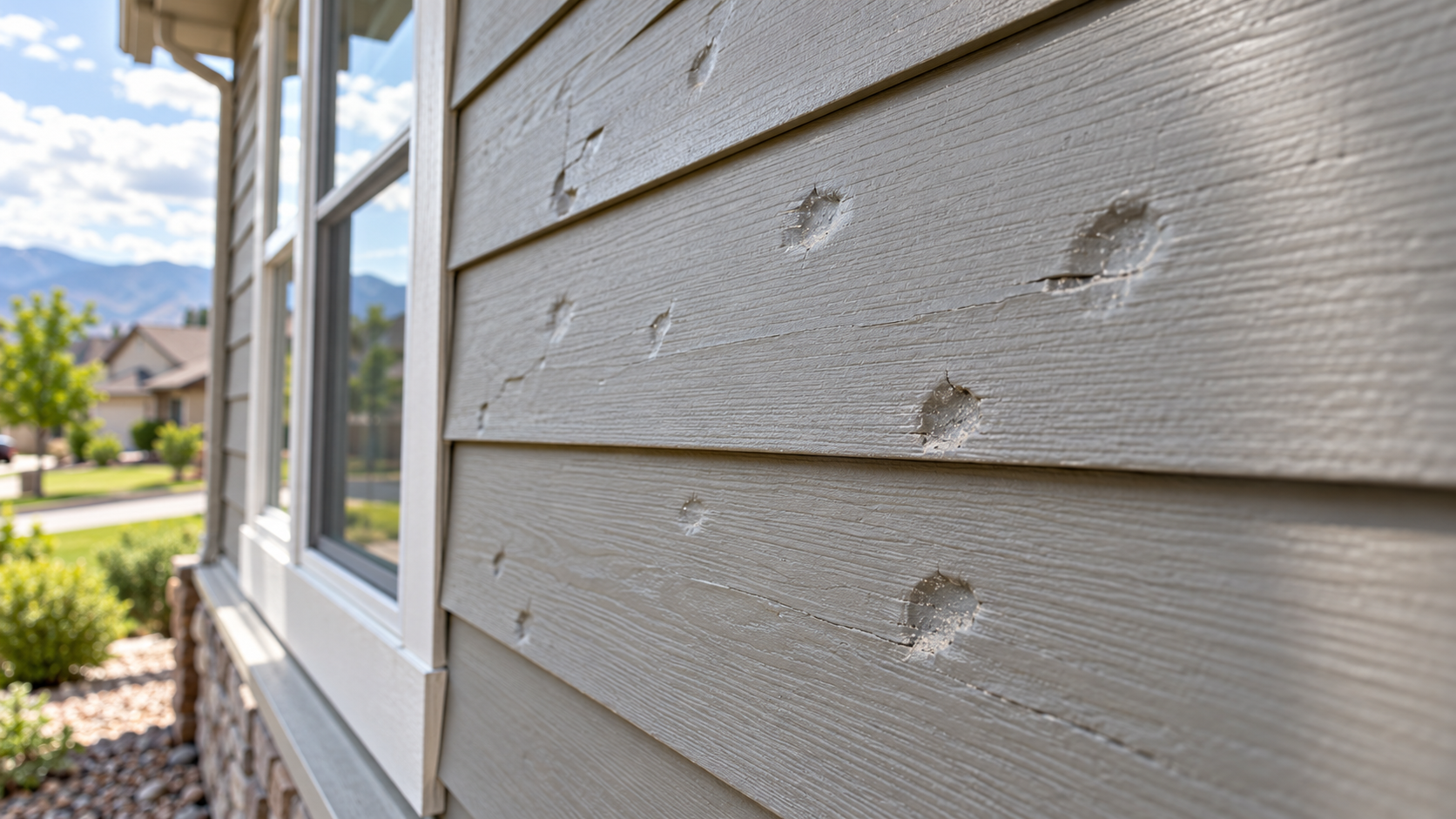
Colorado hailstorms can cause more than roof damage. When severe weather moves across Denver and the Front Range, siding can also take a direct hit, leaving behind dents, cracks, chips, and other damage that may not be immediately obvious. Understanding what hail damage to siding looks like can help homeowners recognize potential problems before they lead to more extensive exterior repairs.
Whether your home has vinyl, fiber cement, wood, or engineered wood siding, the signs of hail damage can vary depending on the material and the severity of the storm. Knowing what to look for, when to schedule a professional inspection, and how to approach repairs or replacement can help you make informed decisions about protecting your home.
What Does Hail Damage to Siding Look Like?
Hail damage to siding isn’t always easy to recognize. While larger hailstones can leave obvious dents or cracks, smaller impacts may create subtle marks that blend into the siding’s texture. The appearance of the damage often depends on the siding material, the size of the hail, wind conditions, and the direct of the storm.
Dents and Impact Marks
Hailstones can leave round or irregular dents on siding panels, particularly on aluminum and some other materials. These marks may be more noticable when sunlight hits the siding at an angle.
Cracks, Chips, and Holes
Vinyl and fiber cement siding may develop cracks, chips, or factures after a strong hailstorm. Even relatively small openings can expose underlying materials to moisture if left unaddressed.
Loose or Damaged Siding Panels
Severe storms can loosen siding panels, damage fasteners, or create gaps between sections. Wind-driven hail may contribute to damage that affects how securely the siding protects the exterior walls.
Damaged Paint or Pretective Finishes
Hail impacts may chip paint, remove protective coatings, or expose the underlying siding material. These areas deserve attention because finishes can make some siding materials more vulnerable to moisture and deterioration.
Damage That Is Difficult to See From the Ground
Not all siding damage is visible during a quick walk around the property. Upper-story walls, areas near rooflines, and shaded sections may require a closer professional inspection to identify potential problems.
How Hail Affects Different Siding Materials
Not all siding materials respond to hail impacts the same way. Some materials are more likely to crack or chip, while others develop dents or surface damage. Understanding these differences can help Colorado homeowners recognize possible problems after a severe storm.
Vinyl Siding
Vinyl siding can crack, split, or develop holes when struck by hail, particularly during colder weather when the material may become less flexible. Damage may appear along panel edges, seams, or areas where hailstones hit directly.
Fiber Cement Siding
Fiber cement siding is designed for durability, but severe hail impacts can still cause chips, cracks, or surface fractures. Damage to the protective finish may also expose the underlying material to moisture, making timely evaluation important.
Wood siding
Wood siding may develop dents, gouges, splintering, or damaged paint and stain after a hailstorm. If the protective finish is compromised, exposed wood can become more susceptible to moisture-related deterioration.
Engineered Wood Siding
Engineered wood siding may experience dents, chips, or damage to its protective coating. Impacts that expose the underlying material or damage panel edges should be evaluated to determine whether repairs are necessary.
Why the Siding Material Matters
The type of siding on your home influences how damage is identified and whether individual sections can be repaired or replaced. A professional exterior inspection can help determine the extent of the damage and the most appropriate next steps.
Can Hail-Damaged Siding Be Repaired, or Does It Need Replacement?
Not every hail-damaged siding panel needs to be replaced, but some types of damage can affect the siding’s ability to protect your home. Whether repair or replacement makes the most sense depends on the siding material, the severity of the impacts, and how much of the exterior has been affected.
When Siding Repairs May Be Enough
Minor, isolated damage may be addressed by repairing or replacing individual siding panels. This is often an option when the surrounding materials remain in good condition and compatible replacement products are available.
When Siding Replacement May Be Necessary
More extensive damage, widespread cracking, or compromised siding panels may require replacing larger sections of the exterior. Replacement may also be considered when the original siding material is discontinued or matching panels are difficult to obtain.
Why Matching Existing Siding Can Be Challenging
Even when replacement panels are available, differences in color, texture, or weathering can make new sections stand out. A contractor can evaluate whether a localized repair will provide a satisfactory result or whether a larger replacement area should be considered.
The Importance of a Professional Damage Assessment
Some hail damage is primarily cosmetic, while other impacts can affect the siding’s protective function. A professional inspection can help identify damaged areas, assess potential moisture exposure, and explain the available repair or replacement options.
Homeowners considering repairs can learn more about EcoShield Exteriors’ siding services in Denver and surrounding Front Range communities.
What to Do After a Colorado Hailstorm
After a hailstorm moves through Denver or the surrounding Front Range, it’s important to check your home’s exterior for signs of damage. Taking a few practical steps can hepl you document potential problems and determine whether professional reapirs are needed.
1. Check for Visible Damage From the Ground
Walk around your property once conditions are safe and look for dents, cracks, chipped finishes, loose siding panels, or other noticeable changes. Pay particular attention to exterior walls that faced the direction of the storm. Avoid climbing ladders or attempting to inspect areas that are difficult to reach.
2. Photogrpah Any Damage You Find
Take clear photographs of visible siding damage, including close-up images and wider views showing where the damage is located. Documenting the condition of your home shortly after the storm can be helpful when discussing repairs or reviewing an insurance claim.
3. Look Beyond the Siding
Hail can affect multiple exterior components during the same storm. Check for visible damage to gutters, windows frames, screens, and other accessible exterior surfaces. Roofing damage may not be apparent from the ground, so a professional evaluation may be appropriate after a significant storm.
4. Schedule a Professional Exterior Inspection
A qualified exterior contractor can evaluate the affected siding, identify damage that may not be immediately visible, and explain whether repairs or replacement should be considered. An inspection can also help determine whether other exterior components need attention.
5. Review Your Repair and Insurance Options
If you believe your home has sustained storm damage, review your homeowners insurance policy and any applicable reporting requirements. A contractor can document observed damage and provide repair information, while your insurance company determines coverage according to your policy.
For additional guidance, visit EcoShield Exteriors’ hail damage restoration services page.
Does Homeowners Insurance Cover Hail Damage to Siding?
Many homeowners insurance policies provide coverage for suden, accidental damage caused by hail, including damage to siding. However, coverage is not automatic, and the amount an insurer may pay depends on the policy’s terms, exclusions, deductibles, and the condition of the affected materials.
Understanding Your Policy Coverage
Homeowners should review their insurance policy to understand how hail damage is addressed. Some policies provides replacement cost coverage, while others may account for depreciation when determining payment. Special wind or hail deductibles may also apply.
Documenting Siding Damage for an Insurance Claim
Photographs, inspection findings, and repair estimates can help document the condition of your siding after a storm. Keeping records of when the storm occurred and which exterior areas were affected can also be helpful during the claims process.
What Happens During the Insurance Inspection?
After a claim is filed, the insurance company may arrange for an adjuster to inspect the property. The adjuster evaluates the reported damage and the insurer determines what is covered under the policy. A qualified exterior contractor can provide documentation and explain the repairs needed to restore damaged materials.
How EcoShield Helps With Storm Damage Claims
EcoShield Exteriors helps Colorado homeowners navigate the exterior restoration process by documenting observed storm damage, discussing repair or replacement options, and providing information that can support coversations with their insurance company. Our team can also be present during the insurance adjuster’s inspection to review the documented damage, answer questions, and help ensure affected exterior areas are brought to the adjuster’s attention.
Learn more about EcoShield’s insurance claim management services and how our team assists homeowners throughout the restoration process.
Why a Whole-Home Exterior Inspection Matter After Hail
Hialstorms rarely affect just one part of a home’s exterior. While siding damage may be the most noticeable issue, the same storm can also impact roofing materials, gutters, windows, and other exposed surfaces. Evaluating the entire exterior helps homeowners understand the full extent of potential damage before deciding how to proceed with repairs.
Roofing Damage
Hail can bruise or dislodge asphalt shingles, damage protective granules, and affect other roofing materials. Some damage may not be visible from the ground, making a professional roof inspection an important part of a thorough storm damage assessment.
Gutter and Downspout Damage
Dents, loose connections, and damaged gutter sections can result from hail and high winds. Because gutters help direct water away from the home, damage that affects drainage should be evaluated and addressed.
Window and Exterior Trim Damage
Hail impacts can damage window screens, frames, trim, and other exposed components. Even when the glass remains intact, surrounding materials may show signs of storm damage that deserve attention.
Coordinating Exterior Repairs
When multiple parts of a home are affected, working with a contractor who handles serveral exterior services can help simplify the restoration process. EcoShield Exteriors provides roofing, siding, window, and gutter services, allowing homeowners to address related storm damage through one experienced exterior restoration team.
How EcoShield Helps Colorado Homeowners After Hail Damage
When hail damages your home’s siding, choosing an experienced local exterior contractor can make the restoration process easier to manage. EcoShield Exteriors is a locally and family-owned, licensed and insured contractor serving Denver and surrounding Front Range communities, with experience addressing Colorado’s challenging weather conditions.
Local Storm Restoration Experience
EcoShield understands how hail, high winds, and seasonal weather changes can affect residential exteriors throughout the Denver metro area. Our team helps homeowners identify damage, understand their repair options, and plan appropriate restoration work.
Insurance Claim Support
From documenting observed storm damage to attending insurance adjuster inspections, EcoShield helps homeowners navigate the restoration process while keeping them informed about the work their property may need.
Real Colorado Exterior Restoration Projects
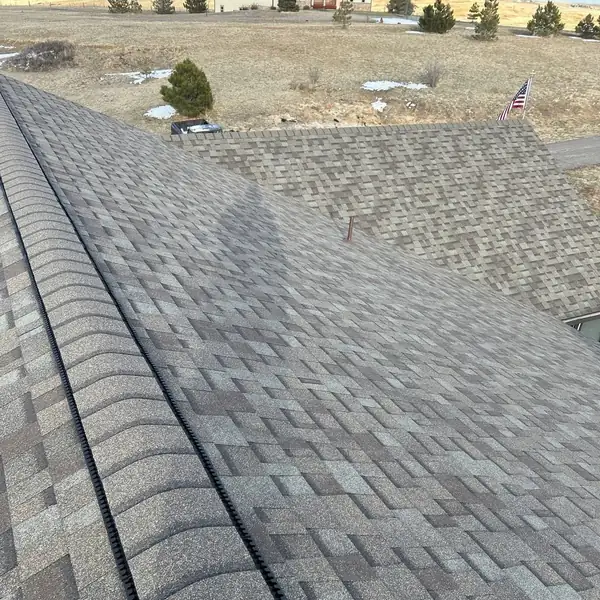
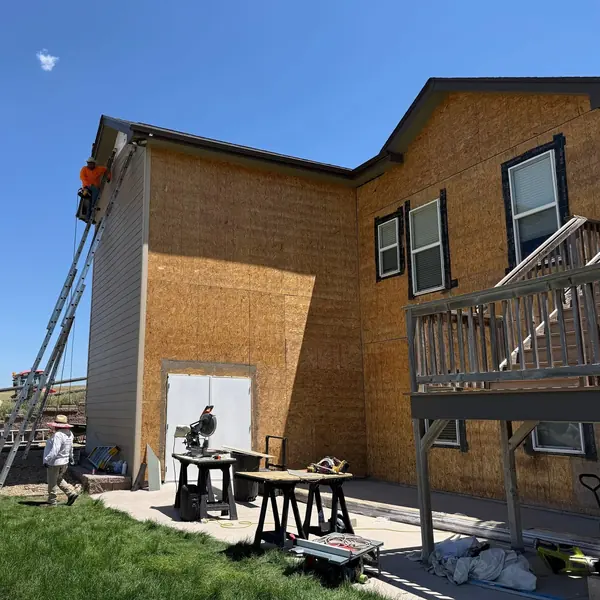
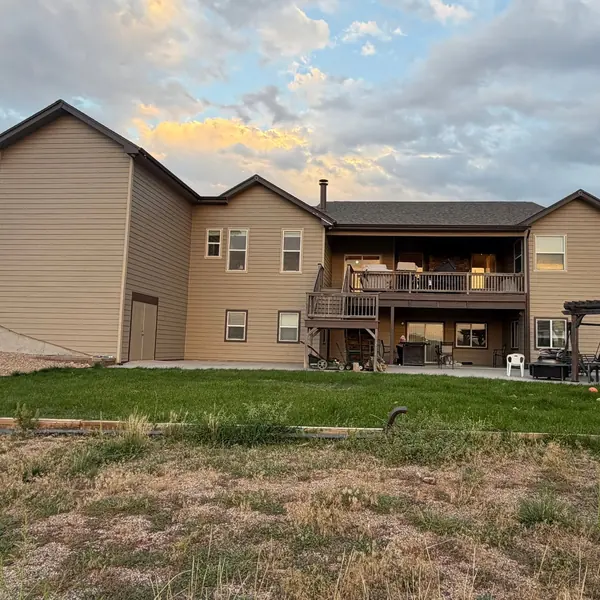
EcoShield’s experience extends beyond individual siding repairs. In Parker, Colorado, our team completed a residential exterior restoration project involving roofing, siding exterior painting, gutters, and windows. Projects like this demonstrate the value of working with one contractor when multiple exterior components need attention.
A Local Team Focused on Protecting Your Home
With an A+ BBB rating and a 4.0-star Google rating, EcoShield combines local experience with a commitment to helping Colorado homeowners protect and restore their properties. Our team works with homeowners to evaluate exterior damage and identify practical next steps.
Concerned About Hail Damage to Your Siding?
Hail damage to siding isn’t always easy to identify, and even small cracks or damaged panels can leave parts of your home’s exterior vulnerable to moisture and further deterioration. Knowing what to look for—and having a professional evaluate potential damage—can help you make informed decisions about protecting your property.
EcoShield Exteriors provides professional exterior inspections and storm damage restoration services throughout Denver and surrounding Front Range communities. As a locally and family-owned contractor, our team helps homeowners understand the condition of their siding, explore repair or replacement options, and address damage to other exterior components when needed.
If your home has recently experienced a hailstorm or you’ve noticed possible siding damage, schedule a free inspection with EcoShield Exteriors. We’ll evaluate the affected areas, explain our findings, and help you understand the next steps.