
Insurance

A residential roof can last anywhere from about 15 years to several decades, depending on the roofing material, installation quality, weather exposure, ventilation, maintenance, and the overall condition of the roofing system.
For Colorado homeowners, roof lifespan can also be affected by hail, high winds, snow and ice, intense sunlight, and frequent temperature changes. That means the age of a roof is important, but it isn’t the only factor that determines whether a roof still has years of useful life remaining or may need repair or replacement.
Understanding what affects roof lifespan can help you know what to watch for, when an inspection makes sense, and when it may be time to start planning for a new roof.
How Long Does a Roof Typically Last?
There is no single lifespan that applies to every residential roof. Asphalt shingle roofs commonly provide decades of service, while metal and other roofing materials may last considerably longer when the roofing system is properly installed and maintained.
The actual lifespan of a roof depends on more than the material alone. Installation quality, ventilation, roof design, weather exposure, storm damage, and the condition of individual roofing components can all affect how long the complete system performs.
For that reason, a roof’s age should be viewed as one part of its overall condition rather than an automatic expiration date. Two roofs of the same age can be in very different condition depending on how they were installed, maintained, and exposed to Colorado weather.
Average Roof Lifespan by Roofing Material
The roofing material is one of the biggest factors affecting how long a roof may last. Different materials have different expected service lives, but those ranges should be treated as general guidelines rather than guarantees. Installation quality, product specifications, roof design, ventilation, maintenance, and weather exposure can all influence the actual lifespan of a roofing system.
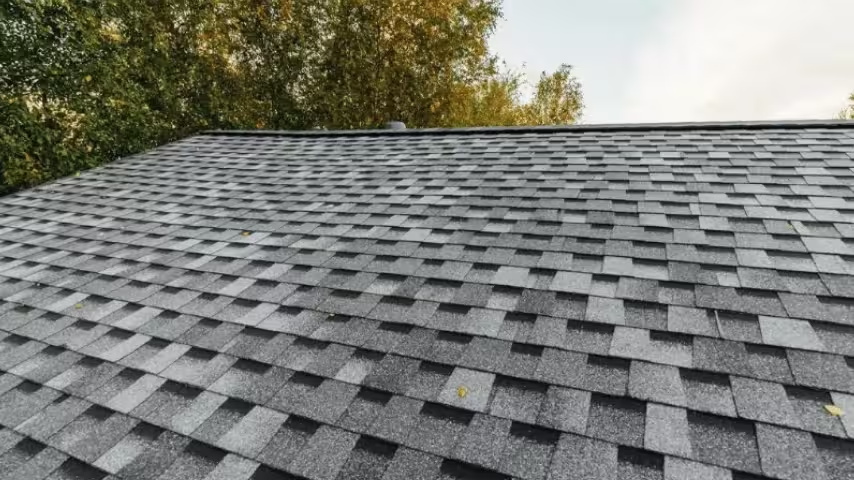
Asphalt Shingles
Typical lifespan: approximately 15-30+ years
Asphalt shingles are one of the most common residential roofing materials. Their lifespan varies depending on the shingle product, installation, ventilation, roof exposure, and weather conditions.
Higher-quality architectural shingles may provide a longer service life than basic three-tab products, but severe hail, wind, heat, and other conditions can affect how long any asphalt roofing system performs.
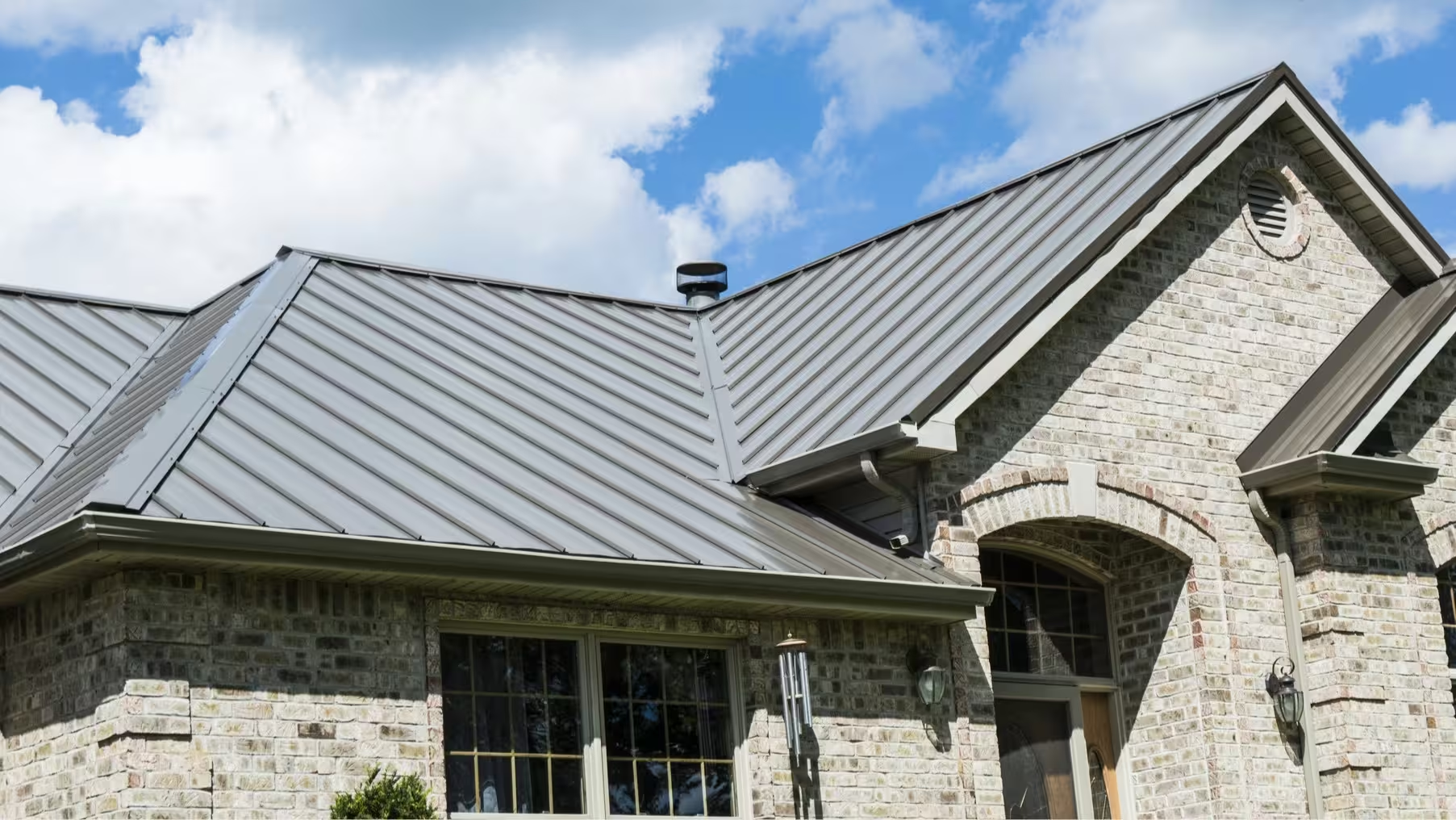
Metal Roofing
Typical lifespan: approximately 40-70+ years
Metal roofing can provide a considerably longer service life than many asphalt roofing products when the roof structure, material, installation method, and maintenance are appropriate for the property.
Different metal roofing systems have different performance characteristics, so lifespan depends on the specific product and installation. Flashing, fasteners, seams, coatings, penetrations, and weather exposure can all affect long-term performance.
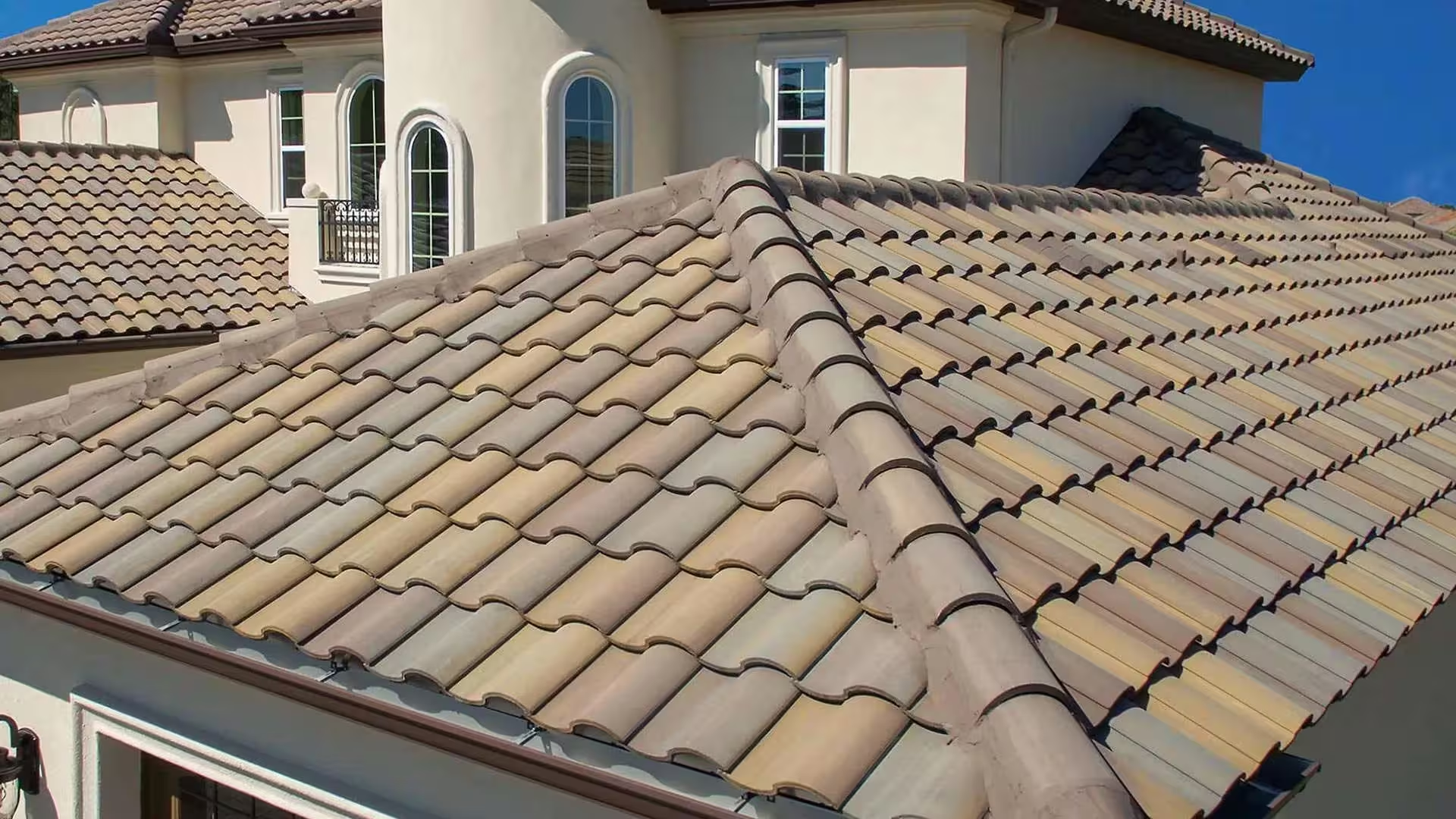
Tile Roofing
Typical lifespan: approximately 50+ years
Concrete and clay tile roofing can provide a long service life when the roof structure is designed to support the system and the materials are properly installed. Individual tiles may sometimes become damaged even when the overall roofing system remains serviceable.
The condition of the underlayment, flashing, roof structure, and other components beneath the tile also matters, which is why the visible tile itself should not be the only factor used to judge the condition of the roof.
Keep in mind: Roof lifespan ranges are estimates, not expiration dates. A roof may need attention earlier because of storm damage, installation problems, ventilation issues, or other conditions, while a properly installed and well-performing roofing system may remain serviceable beyond a general lifespan estimate. The condition of the complete roofing system matters more than age alone.
Why Roof Lifespan Can Be Different in Colorado
Colorado’s climate can place significant demands on residential roofing systems. A roof may experience intense sunlight, large temperature swings, snow and ice, strong winds, and severe thunderstorms durings its service life.
Hail is an especially important consideration along Colorado’s Front Range. Depending on the size of the hail, wind conditions, roofing maerial, and condition of the roof, a storm can damage shingles or other roofing components even when the roof has not reached the end of its expected lifespan.
This is why a roof’s age should not be considered by itself. Weather exposure and the current condition of the roofing system provide important context when evaluating how much useful life may remain.
Colorado Roof Stressors
Hail & Severe Storms
Hail can damage shingles, flashing, vents, gutters, and other exterior components. The effect depends on the storm and the condition and type of roofing material.
High Winds
Strong winds can loosen, lift, crease, or remove roofing materials and may expose vulnerable areas of the roofing system.
Snow & Ice
Snow accumulation, freeze-thaw cycles, and ice can place additional stress on roofing materials and drainage areas.
Sun & Temperature Changes
Colorado’s intense sunlight and frequent temperature changes can contribute to the gradual aging of roofing materials over time.
What Determines How Long a Roof Lasts?
Roof lifespan is influenced by the complete roofing system and the conditions it experiences over time. Two homes with the same roofing materials can have very different outcomes depending on how the roof was installed, ventilated, maintained, and exposed to weather.
Installation Quality
Even high-quality roofing materials depend on proper installation. Fastening, flashing, roof edges, valleys, penetrations, underlayment, and other details all contribute to how the complete roofing system performs over time.
Ventilation
Proper attic and roof ventilation helps manage heat and moisture within the roofing system. Inadequate ventilation can contribute to conditions that affect roofing materials, the roof deck, and other components over time.
Roof Design & Drainage
Roof slope, valleys, transitions, drainage paths, and areas where debris or snow can collect may infludence how a roofing system ages. Proper water management is an important part of long-term performance.
Weather Exposure
Sun, heat, freezing temperatures, wind, hail, snow, and ice all contribute to the environment a roof must withstand. The amount and severity of that exposure can affect how quickly roofing components age.
Maintenance & Inspections
Periodic inspections can help identify damaged or deteriorating components before a smaller issue contributes to a larger roofing problem. Maintenance needs vary depending on the roofing system and property.
How Often Should You Have Your Roof Inspected? →
Storm History
A roof that has experienced significant hail, high winds, or repeated severe weather may have a dofferent condition than another roof of the same age. Previous repairs and storm-related damage should be considered when evaluating remaining roof life.